
New Delhi:
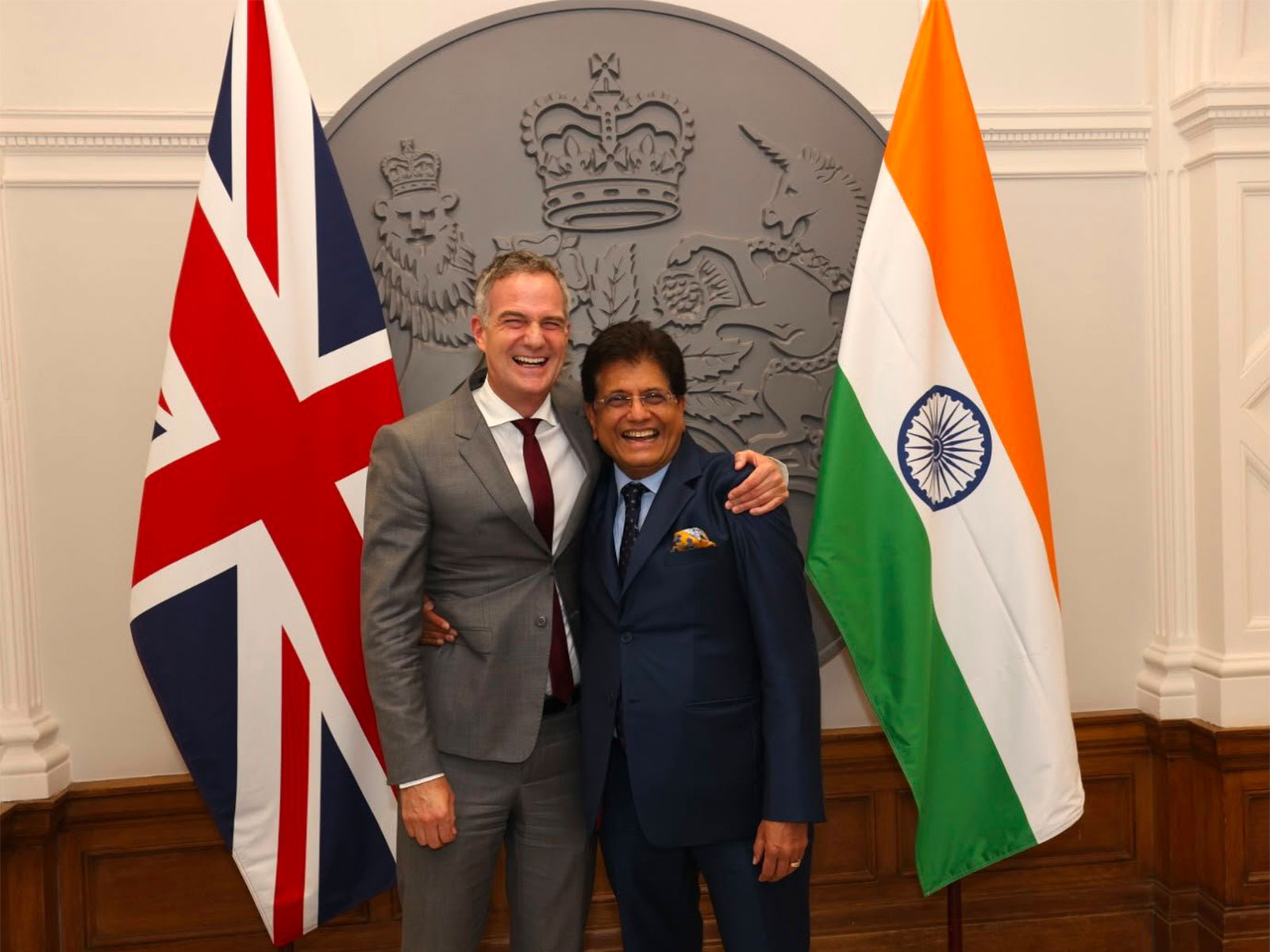
Taking to X, Goyal shared details of his meeting with Peter Kyle, the UK’s Secretary of State and Labour MP for Hove & Portslade, held in London following the signing of the India-UK CETA.
“Meaningful discussions with my friend and counterpart Mr. @PeterKyle in London as we explored new opportunities to deepen India-UK economic and trade cooperation,” he said.
Highlighting the significance of the two agreements, Goyal said, “With the India-UK Comprehensive Economic and Trade Agreement (CETA) and Double Contribution Convention (DCC) coming into effect on July 15, 2026, we remain committed to fostering an ecosystem that promotes innovation, investment and holistic growth for both nations.”
The India-UK CETA is aimed at boosting bilateral trade, expanding market access and strengthening cooperation across goods and services, while the Double Contribution Convention (DCC) is expected to facilitate business and trade by ensuring that employees moving between India and the UK, along with their employers, are required to pay social security contributions in only one country at a time.
It also allows employees on temporary assignments to continue contributing to the social security system of their home country, preventing interruptions or fragmentation of their social security benefits and records.
It is a form of Social Security Agreement (SSA) that coordinates the payment of social security contributions between two countries. It does not affect entitlement to social security benefits such as the State Pension, nor does it alter existing rules governing access to benefits.
DCCs include provisions for “detached workers,” allowing employees who are temporarily posted abroad to continue paying social security contributions exclusively into their home country’s system for a specified maximum period. Once the comes into effect, there will be no ‘double contributions’ and the 52-week exemption period will be extended reciprocally to 60 months for detached workers.