
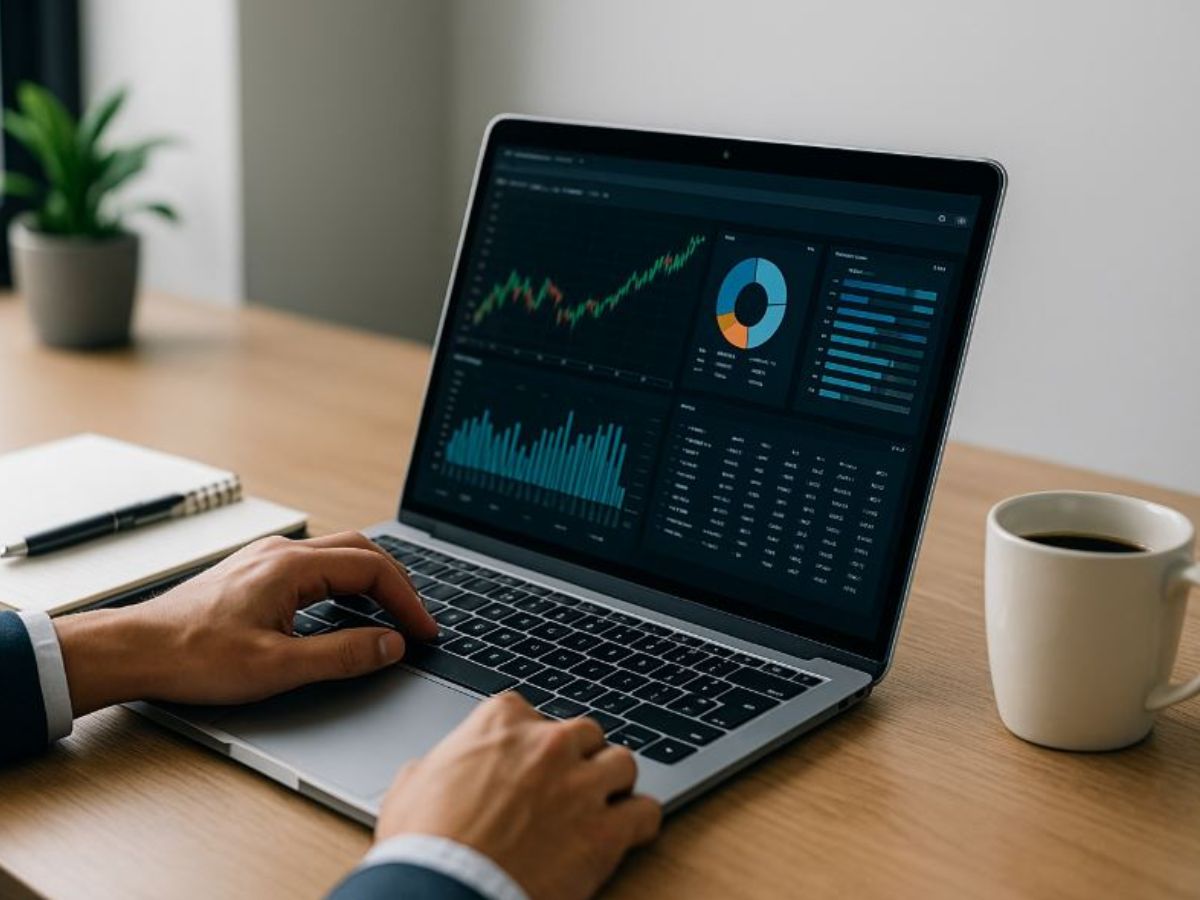
Cryptocurrency trading has grown into one of the fastest-moving financial markets in the world. Prices shift within seconds, news spreads instantly across platforms, and traders often need to react immediately. In such a high-pressure environment, doing everything manually can lead to mistakes, missed opportunities, or burnout. This is where modern cryptocurrency software steps in, giving traders the power to automate their workflows and manage trades more effectively.
3Commas is one of the most recognized platforms offering these automation tools. It helps traders cut down repetitive tasks, enforce discipline, and keep strategies running around the clock. With features like trading bots, SmartTrade terminals, portfolio tracking, and risk management tools, 3Commas allows traders to approach the market with more control and less stress. To understand how automation is transforming trading, let’s explore its core benefits and the practical ways it improves daily workflows.
Why Automation Matters in Crypto Trading
Crypto markets never close. Unlike traditional stock markets, there is no downtime, which means traders face constant movement and opportunities at any hour of the day. For most people, it’s impossible to keep up without some form of assistance. Automation solves this problem by:
-
Running trading strategies 24/7 without requiring constant monitoring
-
Executing trades instantly when preset conditions are met
-
Managing multiple trading pairs and exchanges at the same time
-
Reducing emotional decision-making and ensuring strategies stay consistent
By automating routine work, traders gain back valuable time to focus on analysis, learning, and refining their strategies instead of sitting in front of screens all day.
Key Features That Automate Workflows
Modern trading platforms provide a wide set of tools designed to handle different aspects of trading. Here are the most important features that matter for workflow automation:
Trading Bots
Bots are the backbone of automated trading. They can be programmed to follow rules such as dollar-cost averaging, grid trading, or signal-based entries. Once set, these bots run continuously, making trades on behalf of the user. For example, a grid bot can capture small profits during sideways markets, while a DCA bot helps spread purchases over time to reduce the impact of volatility.
SmartTrade Tools
Even when traders prefer manual control, SmartTrade features make execution smoother. Advanced order types like stop-loss, take-profit, trailing stop, and multiple exit targets ensure trades are protected and profits are secured automatically. This reduces the need for constant adjustments during market swings.
Portfolio Tracking
Many traders operate across multiple exchanges, which can make it difficult to see overall performance. Portfolio tracking brings everything together in one dashboard. It allows traders to monitor total exposure, spot imbalances, and make adjustments quickly.
Backtesting and Paper Trading
Testing strategies before risking money is one of the smartest ways to approach trading. Backtesting allows traders to run strategies on historical data, while paper trading simulates live market conditions without financial risk. Both tools help refine strategies and build confidence before committing real capital.
The Benefits of Automating Crypto Trading
The advantages of using automation go far beyond convenience. They directly impact profitability and sustainability for traders.
Consistency
One of the biggest challenges for traders is sticking to a plan. Emotions often interfere, leading to early exits, late entries, or overtrading. Automation ensures strategies are carried out exactly as designed, keeping discipline intact.
Risk Management
Automation enforces critical risk tools. Stop-losses trigger automatically, trailing stops protect profits, and portfolio rules prevent traders from taking on excessive exposure. These safeguards help limit losses and preserve capital.
Time Savings
Manual trading requires constant attention, but automation frees traders from this burden. By letting bots and software handle repetitive tasks, traders can spend more time analyzing markets, researching assets, or simply living life outside the charts.
24/7 Market Coverage
Because crypto never sleeps, automation makes it possible to capture opportunities around the clock. Whether it’s a sudden breakout at midnight or a sharp dip while you’re at work, bots can step in to execute trades instantly.
How to Build an Automated Trading Workflow
For traders new to automation, it helps to start with a structured approach:
-
Set clear goals – Decide if you want steady accumulation, short-term profits, or portfolio balance.
-
Choose a strategy – Pick from DCA, grid trading, or signal-based approaches depending on market conditions.
-
Backtest and simulate – Test strategies on historical data and in paper mode to fine-tune settings.
-
Connect exchanges securely – Use API keys with limited permissions to protect your funds.
-
Start small – Deploy live strategies with minimal capital before scaling up.
-
Monitor and adjust – Regularly review performance and refine as needed.
This process makes sure traders don’t jump in blindly but instead learn step by step how automation works in practice.
Real-World Use Cases of Automation
Automation isn’t just theoretical. Here are examples of how traders use it every day:
-
Sideways markets: Grid bots buy low and sell high repeatedly within a range, turning small price swings into steady profit.
-
Long-term investing: DCA bots spread purchases over time, helping investors avoid buying large amounts at peak prices.
-
Breakout strategies: Signal bots connected to platforms like TradingView execute trades instantly when a breakout is detected.
-
Portfolio rebalancing: Automated tools adjust holdings to match target allocations, ensuring no single asset dominates risk exposure.
These use cases show how automation can fit different trading styles, from conservative investors to active day traders.
Best Practices for Safe Automation
To make the most of automation, traders should follow certain guidelines:
-
Always test strategies with paper trading before going live
-
Begin with small amounts and scale up gradually
-
Secure exchange accounts with two-factor authentication and API restrictions
-
Account for fees, spreads, and software costs when evaluating profitability
-
Stay involved and review performance regularly, since markets change quickly
These practices help traders enjoy the benefits of automation while reducing the risks that come with overreliance on bots.
Why Choosing the Right Software Matters
Not all platforms are created equal. Reliability, security, and ongoing support are crucial when selecting tools for automation. The right software should offer:
-
Accurate data and realistic backtesting
-
Continuous feature updates to adapt to market changes
-
Strong security with no custody of user funds
-
Educational resources and community support
-
Integration with multiple major exchanges
3Commas checks these boxes by combining advanced features with a focus on user safety and education. This makes it a trusted option for both beginners and professionals who want to automate their trading workflows without compromising control.
Limitations of Automation
While automation is powerful, it’s important to recognize its limits. Bots cannot predict unexpected news, regulatory changes, or sudden market crashes. Strategies that perform well in backtests might fail in live conditions if they are over-optimized. Internet or exchange outages can also affect performance. This is why human oversight remains essential. Automation should be seen as an assistant, not a replacement for good trading judgment.
Final Thoughts
Automation has become a cornerstone of modern cryptocurrency trading. It allows traders to be more disciplined, efficient, and prepared for opportunities in a market that never sleeps. By combining bots, advanced order tools, portfolio tracking, and backtesting, platforms like cryptocurrency software help traders automate workflows that were once overwhelming.
With the right platform, clear strategy, and ongoing oversight, automation transforms trading from a stressful full-time task into a more manageable and consistent process. The future of crypto trading belongs to those who embrace these tools, using them not to replace human judgment but to enhance it.