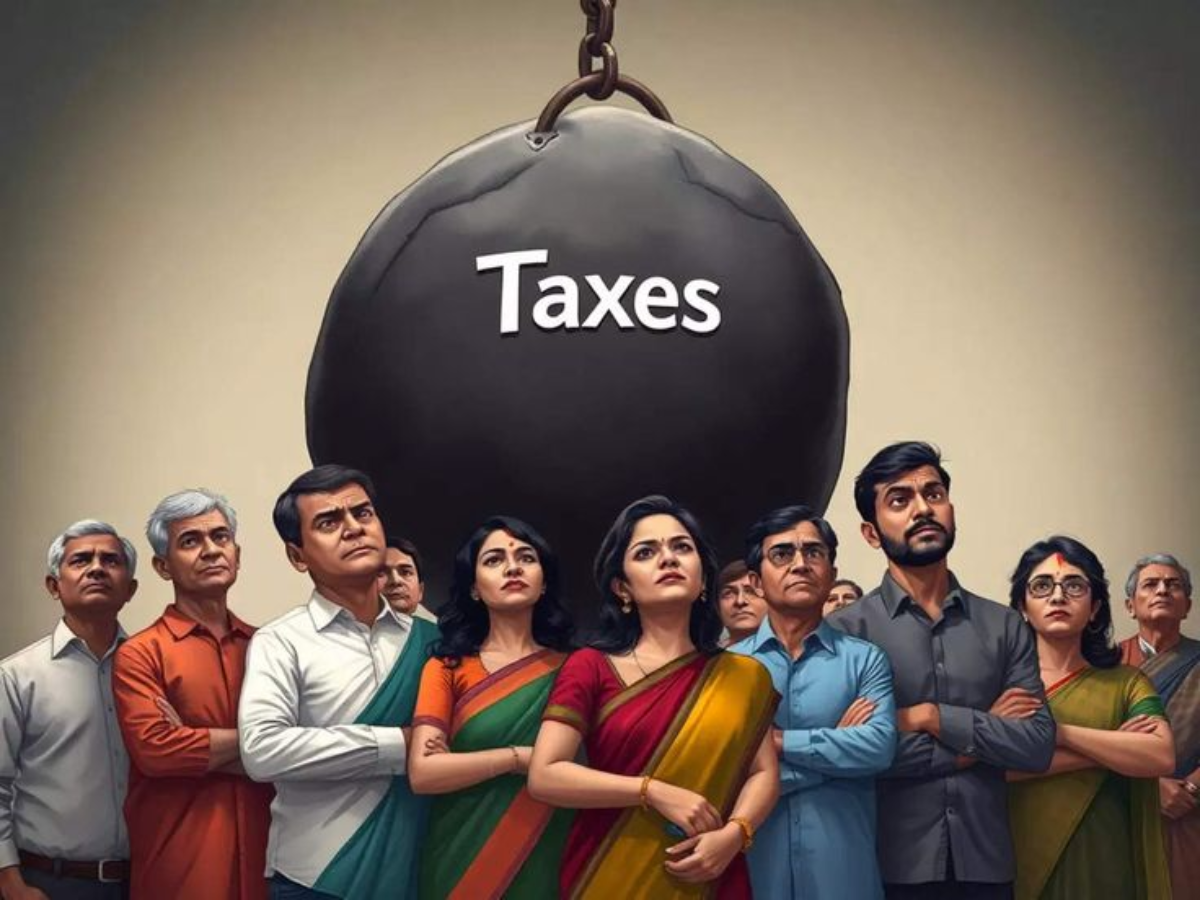
GST 2.0 is an exercise in economic recalibration and political management with the elections in Bihar around the corner. The timing, format and perceived beneficiaries of this restructuring suggest a political script for capturing important voter blocs.
By collapsing the four-tier structure into simply two broad slabs of 5% and 18% and adding a steep 40% for luxury and demerit goods, the government has ensured that all segments feel the pinch.
GST 2.0: Relief to Middle Class
GST 2.0 in middle class, nearly one-third of India’s population has been the balancing force of the economy and the ballot since times immemorial. GST 2.0 cuts down the rate on the most popular of necessities and aspirational items. From soaps, shampoos and stationery taxed at 5% to cars, ACs and LED TVs now down to 18% and the changes will have lucrative savings for households.
ALSO READ: Stock Market: Auto Sector trades Positive Green on the GST Sentiments
Cinema ticketing, chocolates and personal care products have just gotten cheaper. But in the most significant move, healthcare has received sweeping exemptions-life and health insurance premiums are GST exempt, 33 lifesaving drugs are excluded from GST and diagnostics now sit at a low 5% rate.
What in store for Farmers and Dairy?
GST 2.0 in a country providing sustenance to more than 90 million farmers, the reforms create space for rural India. Prime among them, agricultural implements, butter, ghee, paneer, dry fruits and processed foods are now worth only 5% GST.
This is not merely fiscal relief, and it bears an electoral strategy. In trade talks, the government has stood hard and would not expose agriculture or dairy to competition from the US. The signal is unmistakable farmers still stand as a protected priority.
GST 2.0: Healthy India
PM Modi’s wellness campaign from yoga diplomacy to calling for moderation in oil and sugar intake and finds an echo in this reform. Tobacco, gutkha, pan masala and aerated sugary drinks are now costlier due to the introduction of a new 40% slab for sin goods. Penalizing unhealthy consumption elevates the government’s public health narration while creating another window of revenue.
ALSO READ: India’s GST Overhaul: What the New Tax System Means for You
GST 2.0: Local Industry Nurturing
GST 2.0 fits snugly into the self-reliant vision of Atmanirbhar Bharat. These reforms are lowering taxes on Indian made items like cosmetics, handlooms and woven fabric, while pushing back against foreign market pressures, promote self-reliance and support small-scale industry. This aids not only the domestic industries but also strengthens the economic sovereignty.
GST 2.0: Festive Timing and Electoral Reform
GST 2.0 just before the festive period is with the changes promising cheaper essentials and household goods just as the Diwali spending spree sets in the mood of consumption is bound to look up. In terms of political goodwill, this will have a ringing resonance and particularly in Bihar as it fuses economic consolation with electoral calculation.
ALSO READ: GST 2.0: List of Goods to Face the 40% Sin Tax | COMPLETE LIST