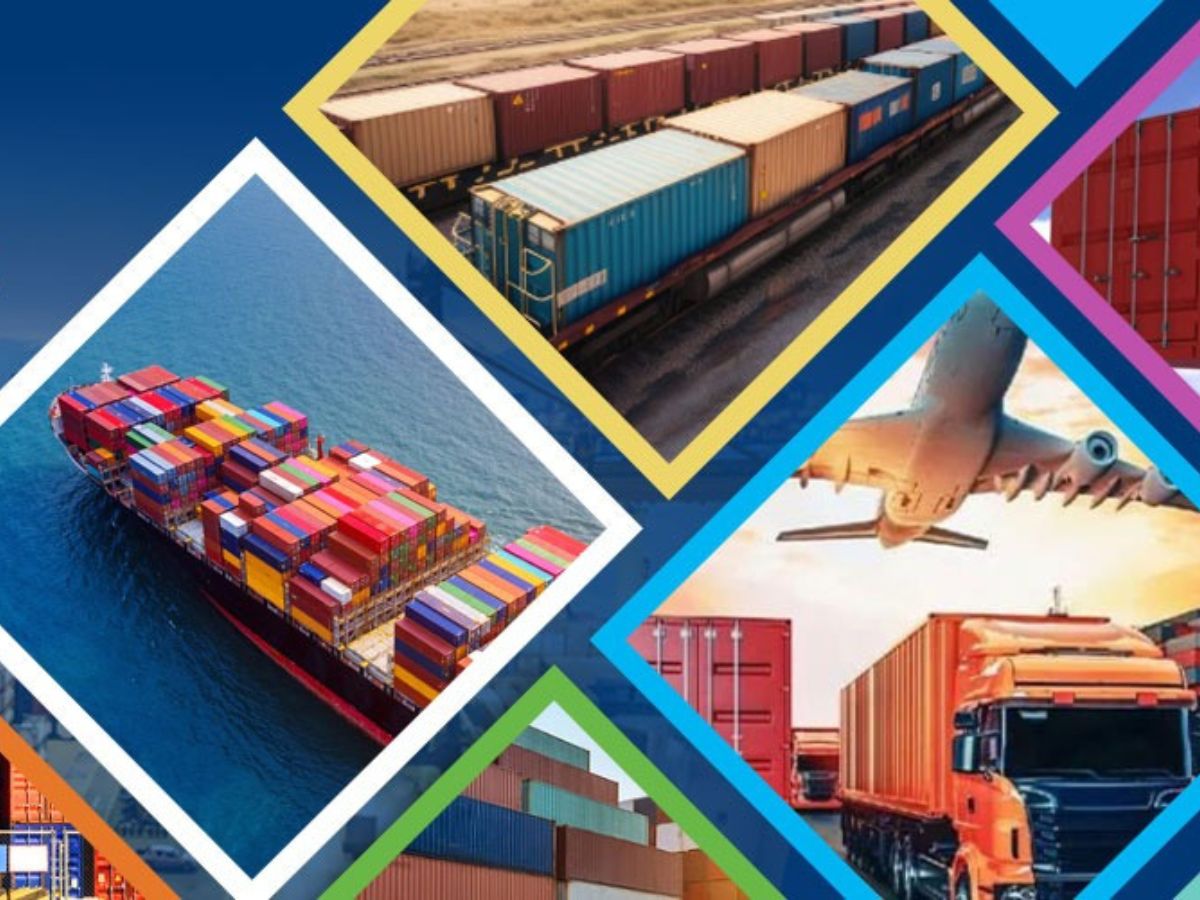
Indian exporters are facing acute uncertainty after Washington unexpectedly imposed a 25% tariff on all Indian-origin products—a move that was announced by President Donald Trump and came into effect from August 7, 2025. The tariff shock has created waves of insecurity in major exporting industries, and the threat of mass order cancellations hangs over India’s vital trade relationship with its biggest export market.
Uncertainty across textiles, jewellery, and pharma
Textile and apparel producers, which contribute a third of India’s US export revenues, are now preparing for an immediate hit. US consumers confronted with increased prices and greater competition from Vietnam, Bangladesh, and Turkey, where tariffs are several percentage points lower—have started to withhold or even cancel orders. Industry officials caution that if the strain is not alleviated by new government incentives, textile and garment exports may dip, even leading to redundancies and layoffs as factories find it challenging to stay competitive.
Gems, jewellery, and leather exporters have similar fears. The US absorbed almost a third of India’s world jewellery exports in 2024, amounting to $28.5 billion. Industry officials point out that the “blanket tariff” will raise prices and compel firms to postpone deliveries and reduce output.
Even India’s pharma industry, which relies greatly on US consumption, is under threat once more. The analysts estimate that the increased tariffs and penalty, if continued, would impose a 2–8% damage to corporate profits and could dash hopes of India becoming a low-cost pharma exporter for the world.
FIEO’s stance
The Federation of Indian Export Organisations (FIEO) has raised the alarm, reporting an increase in desperate pleas from exporters on order postponements. Market analysts also observe the across-the-board halt in expansion plans—businesses had been preparing for modest tariffs, only to be caught off guard by the size of the announcement. “From workers to big manufacturers, every part of the value chain is under tremendous stress. If the penalty element comes on top of the 25%, it may cause buyers to go cold on orders entirely,” cautioned Kirit Bhansali, chairman of the Gem & Jewellery Export Promotion Council.
Long term competitiveness effected
In addition to short-term disruptions, the policy change is fuelling concerns regarding India’s long-run competitiveness. Competition in Southeast Asia is protected by lower tariffs courtesy of effective bilateral agreements, which could shunt international supply chains away from India. While exporters persuade the Indian government to provide immediate fiscal relief and urge the restarting of stalled trade negotiations, the expectation is for a cut in the tariff rate and a definitive plan for cooperation before the make-or-break US holiday season of sales.
With talks to reopen in mid-August, Indian export industries are in limbo—trapped between the spector of lost orders, uncertain penalties, and an urgent desire for a stable, two-way trade system.