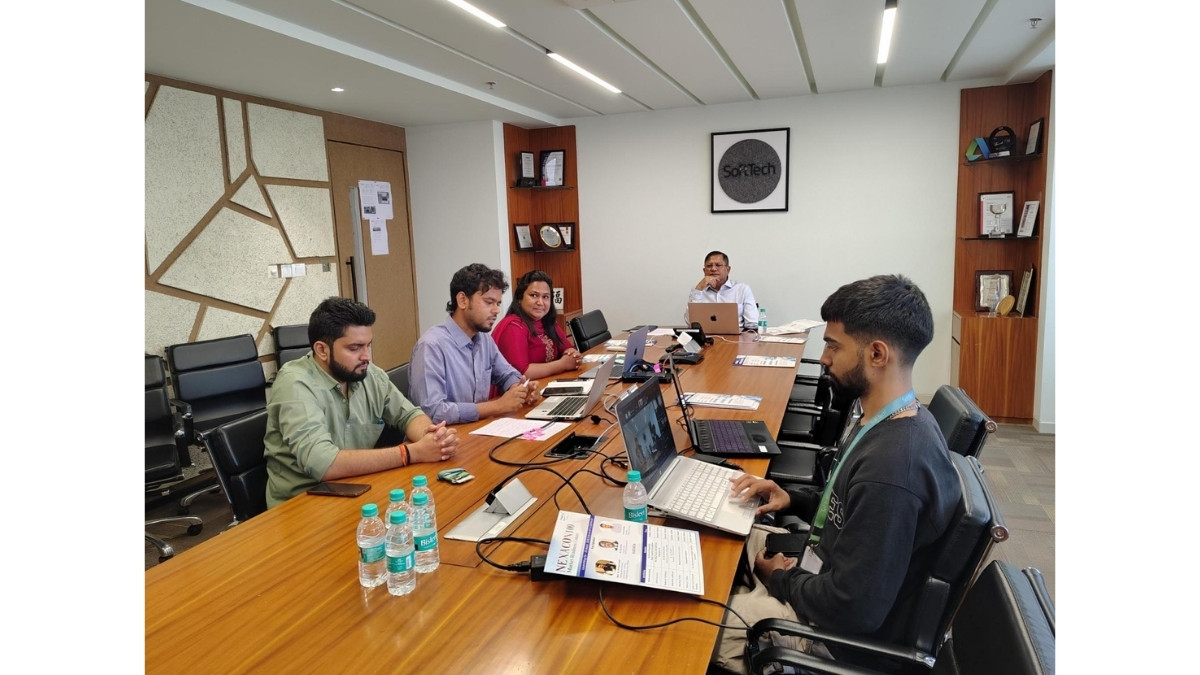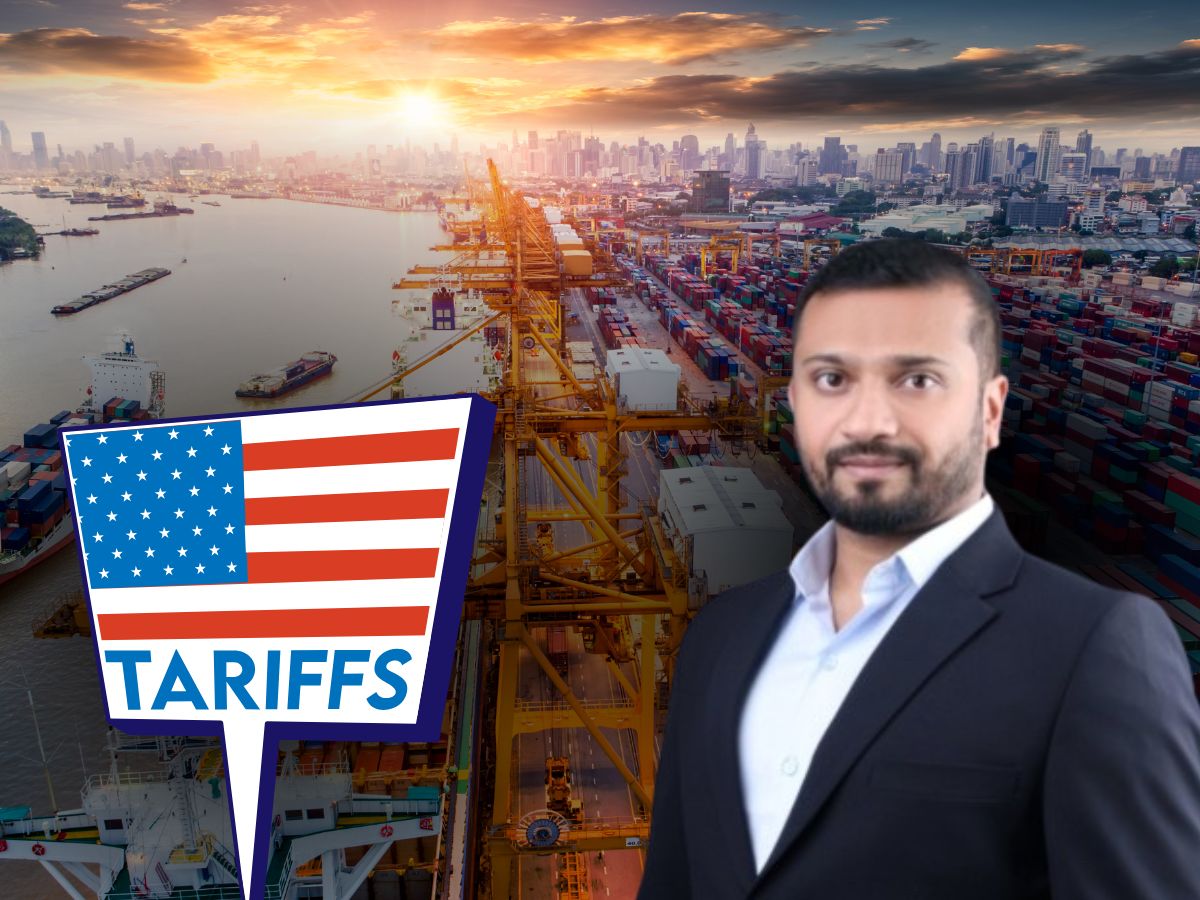
Ankit Patel, Partner and Co-founder at Arunasset Investment Services, describes in an interview with us on how recent India-US trade talks on tariffs have been stalled because Washington has insisted on gaining access to India’s farm, dairy, and fisheries markets, something India continues to be reluctant to open up. But even under US pressure, including high tariffs, political realities particularly over Russian oil purchases complicate matters. Patel says tariff choices under the current US administration sometimes go against conventional policy logic, making trust a two-way street tricky.
ALSO READ | Indian Stock Market: Weekly Summary – 1st Sept to 5th Sept
Investor Approach: Shift to Domestic Consumption
In the circumstances of the deadlock, investors are advised by Patel to shift their portfolios towards India’s domestic consumption story. Automobiles, consumer durables, and consumption-related companies stand to gain more from demand growth fueled by GST reforms, low-cost essentials, and expected pay commission increases. Those highly export-reliant industries, however, are subject to geopolitical and tariff-related challenges.
Effect on Exporters and Sensitive Industries
Tariffs are disproportionately heavy on exporters, particularly mid-sized companies reliant on US markets. Patel mentions auto parts, textiles, and jewellery as most vulnerable, with margin squeezes and minimal pricing power to pass them on. The socioeconomic impact is not limited to companies, with many small workshops and micro-enterprises in industries such as gems and jewellery, garments, shrimp and fisheries, carpets and organic chemicals, which employ large number of workers, it’d also lead to job-losses and stress across MSMEs.
ALSO READ | 8th Pay Commission: Overview and Probable Timeline
Market Performance and Macro Fundamentals in H1 2025
In the face of tariff-related volatility, India’s macroeconomic fundamentals continued to be strong during the first half of 2025. Projections of growth continued to be over 6%, and dovish monetary policy changes by the Reserve Bank of India supported market stability. Strong forex reserves also supported investor confidence amidst global turmoil.
Domestic Institutional Support Counteracts FII Outflows
Patel points out significant foreign institutional investor (FII) outflows amounting to ₹1.3 trillion till mid-2025, a scale that previously would have shaken markets. However, domestic institutional investors (DIIs) injected a record ₹3.5 trillion during the same period, offsetting foreign exits. Growing retail participation, systematic investment plans, and fortified local institutions reduced market dependency on global sentiments, with DIIs’ holdings surpassing FIIs for the first time ever.
ALSO READ | Is the POTUS Caving? What does Trump’s Recent Soft Tone Mean..
Nutshell
Summarily, Patel recommends investors to rebalance portfolios by preferencing domestic demand-led sectors while carefully managing export exposures threatened by unresolved tariff disputes. India’s strong macro underpinnings and increasing internal investor base provide cushions against external shocks, and it is a means of sustained balanced growth in the face of geopolitical and trade uncertainties.