
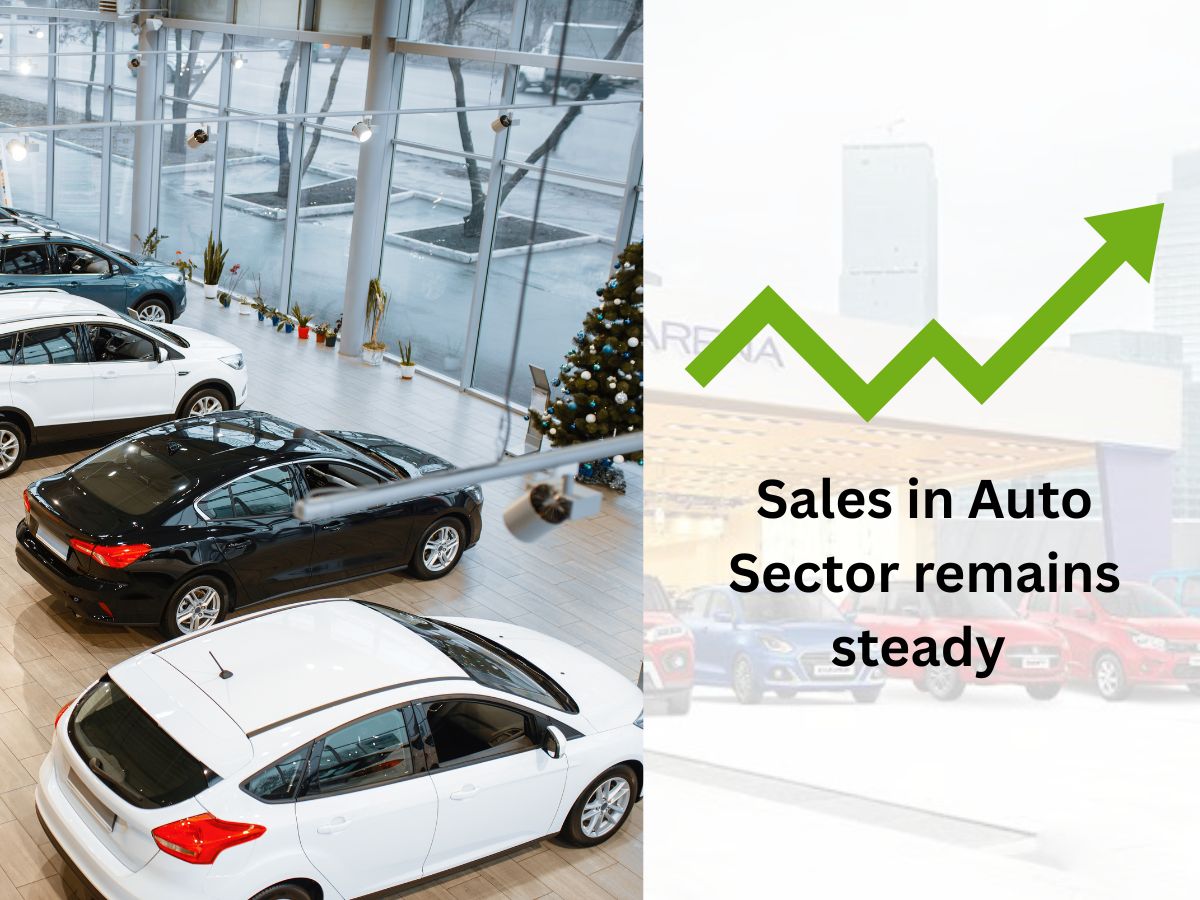
The Indian auto sector has been having a mild but growth year in 2025 so far. Figures for the mid-year period spanning July and August show conflicting moods among different vehicle segments, indicating a continuous yet slow journey, although not an exploding breakthrough.
Passenger vehicle (PV) volumes registered minor year-on-year increase in the range of 1%-3%, with about 3.5 lakh units sold during July. Demand from urban markets increased marginally with new model introductions and financing promotions, while market leaders like Maruti Suzuki and Mahindra posted marginal improvements.
ALSO READ | Sky-high Gold Rates Pull the Sales Down in This Festive Season
Two-Wheeler and Commercial Vehicle Demand Flat
Demand for two-wheelers was fairly flat, depicting cautious purchasing sentiments among semi-urban and rural customers juxtaposing cost sensitivities and mobility compulsions. Expansion of commercial vehicles and tractors was moderate, exhibiting steady but numbers. These segments continue to grapple with pandemic hangover, inflation, and credit availability constraints.
Impact of Tax Reforms and EV Surge
August experienced some headwinds from GST tax shifts affecting prices and purchasing behaviour. Passenger vehicle sales declined 5-7% versus July, but electric vehicles (EVs) defied this trend by posting remarkable year-over-year growth over 150%. Champions such as Tata Motors, MG, and Mahindra reported strong increases in EV sales as infrastructure improved and government incentives kicked in.
ALSO READ | The Great Nicobar Project: Controversy and Everything to Know About
Reasons behind Slow Overall Growth
Several factors contribute to the slower pace of auto sales growth including inflationary pressures, fluctuating fuel prices, cautious credit disbursement by banks, residual semiconductor shortages, and the transition to a simplified GST tax regimen. These have created uncertainty for consumers and dealers, causing hesitancy.
Hopes for Accelerated Demand: What Lies Ahead?
The festive period and impending new model launches are likely to trigger quicker demand. Governance emphasis on electric mobility, EV purchase subsidies, and rural incomes’ improvement also hold promising growth opportunities. Rural economic revival and enhanced availability of financing may help the two-wheeler and tractor segments.
ALSO READ | The Water Logging culprit no one blames!
What to Conclude?
In short, Indian auto sales are moving ahead but in a cautious, gradual way. The sector hopes that changing consumer tastes, government support, electrification, and macroeconomic stability will drive higher growth momentum during the next few months. In the meantime, restrained optimism will chart the course as manufacturers and dealers ride this gradual recovery cycle.