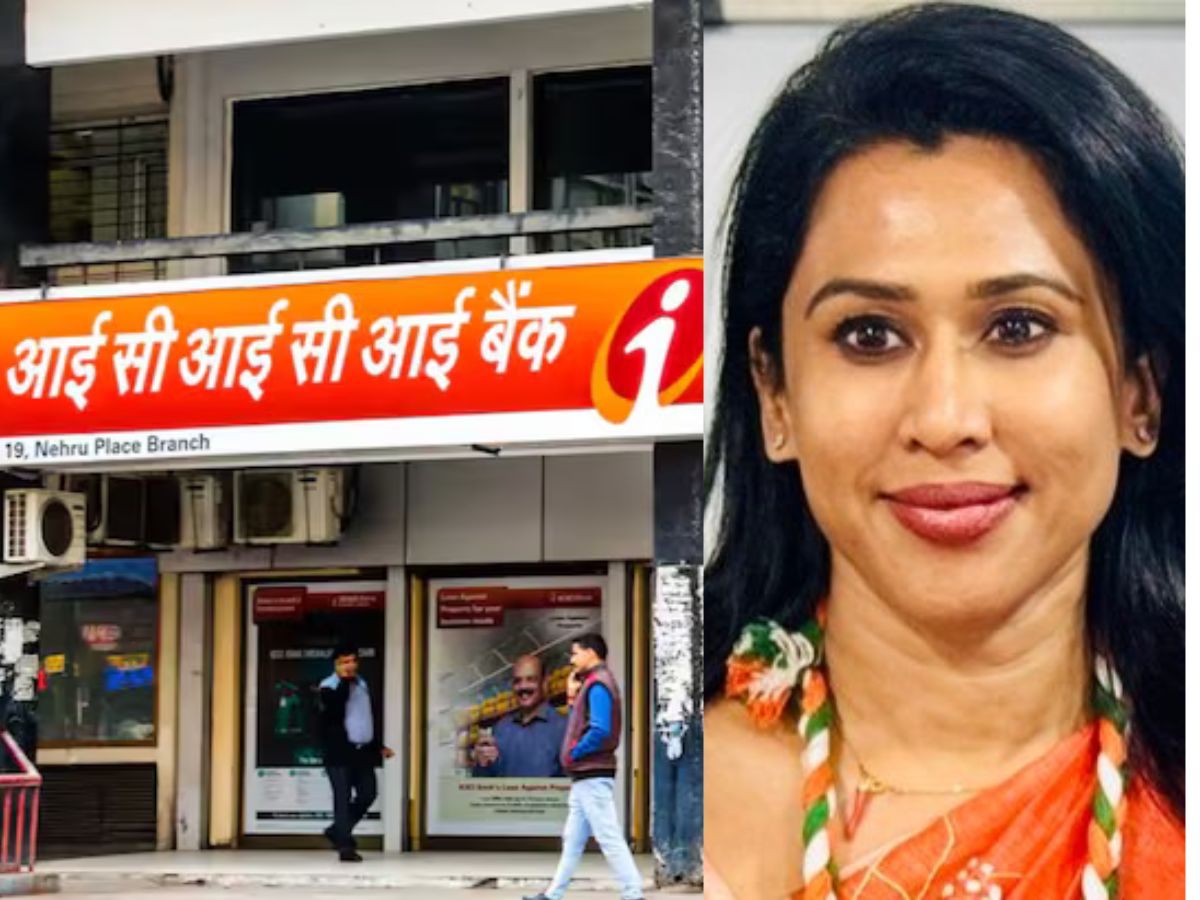
India’s second biggest private sector bank, ICICI Bank, has attracted scathing criticism after it raised the minimum average monthly balance (MAB) requirement on savings accounts by a huge margin. From August 1, 2025, metro and urban area new savings account holders will have to hold an MAB of ₹50,000, a hike of five times the old ₹10,000. Likewise, the semi-urban area’s MAB has gone up from ₹5,000 to ₹25,000, whereas rural customers will have to hold ₹10,000 as opposed to ₹2,500.
Read Here: ICICI Bank’s New Minimum Balance Rule Triggers Backlash Online Over ‘Elitist’ Policy
This steep hike has ignited widespread frustration and anger on social media and among consumer advocates, who argue the move places an unfair burden on the middle class and salaried individuals. Many critics highlighted that a large majority of Indians earn less than ₹27,000 per month, making it nearly impossible to maintain such a high bank balance consistently.
Widespread criticism
Leading political figures denounced the bank as well. Shama Mohamed of India’s National Congress called the increase “another blow to the middle class,” warning that a large number of people would now be penalised for being unable to keep up with the new, high minimum balance.
ICICI Bank has hiked the minimum balance requirement from ₹10,000 to ₹50,000.
Another blow to the middle class — now people will be penalised for not maintaining this huge amount.
“Achhe Din” are only for the corrupt, like Chanda Kochhar!
— Dr. Shama Mohamed (@drshamamohd) August 9, 2025
YouTuber Anuj Prajapati, quoting widely held views, called the move ICICI Bank’s “worst,” highlighting how EMIs, bills, loans, and credit card dues regularly lower monthly balances, rendering the new limits oppressive even for individuals with salaries of about ₹1 lakh. Social media commentators called the action one of making savings accounts a “luxury item,” essentially penalising regular account users instead of promoting saving.
Critics also point out that customers with the ability to leave ₹50,000 idle in their savings accounts won’t do so, as savings accounts typically yield low interest rates of 3% or so. Most urban youth would rather invest in assets with better returns in order to accumulate wealth than leave money idle in low-return accounts.
Some support for the Bank too
Yet there are some supporters who maintain the independence of the bank as a private entity to make such policies. They also insisted that the current account holders will not be impacted by the new norms; new accounts opened after August 1 will only be subjected to the adjusted MAB norms.
In spite of these defences, the backlash highlights the fine line that banks must walk between profitability and customer favour. The action is regarded by many as part of a wider pattern in which financial institutions tighten regulations on middle-income customers, who tend to have no alternative banking providers.
Silence from the Bank
ICICI Bank has not yet made a detailed public announcement that speaks to the criticism. Industry observers will be watching closely for customer reaction and further bank clarification, as the policy shift exposes lingering tensions within India’s financial system around accessibility, affordability, and changing expectations of contemporary banking customers.
In short, ICICI Bank’s move to nearly quintuple the minimum average balance for new savings accounts in urban and semi-urban India has caused an outbreak of indignation, with many calling it a blunt blow to the beleaguered middle class struggling to cope with mounting financial pressures in 2025. Whether this policy change will elicit changes or resilience from clients is yet to be seen.