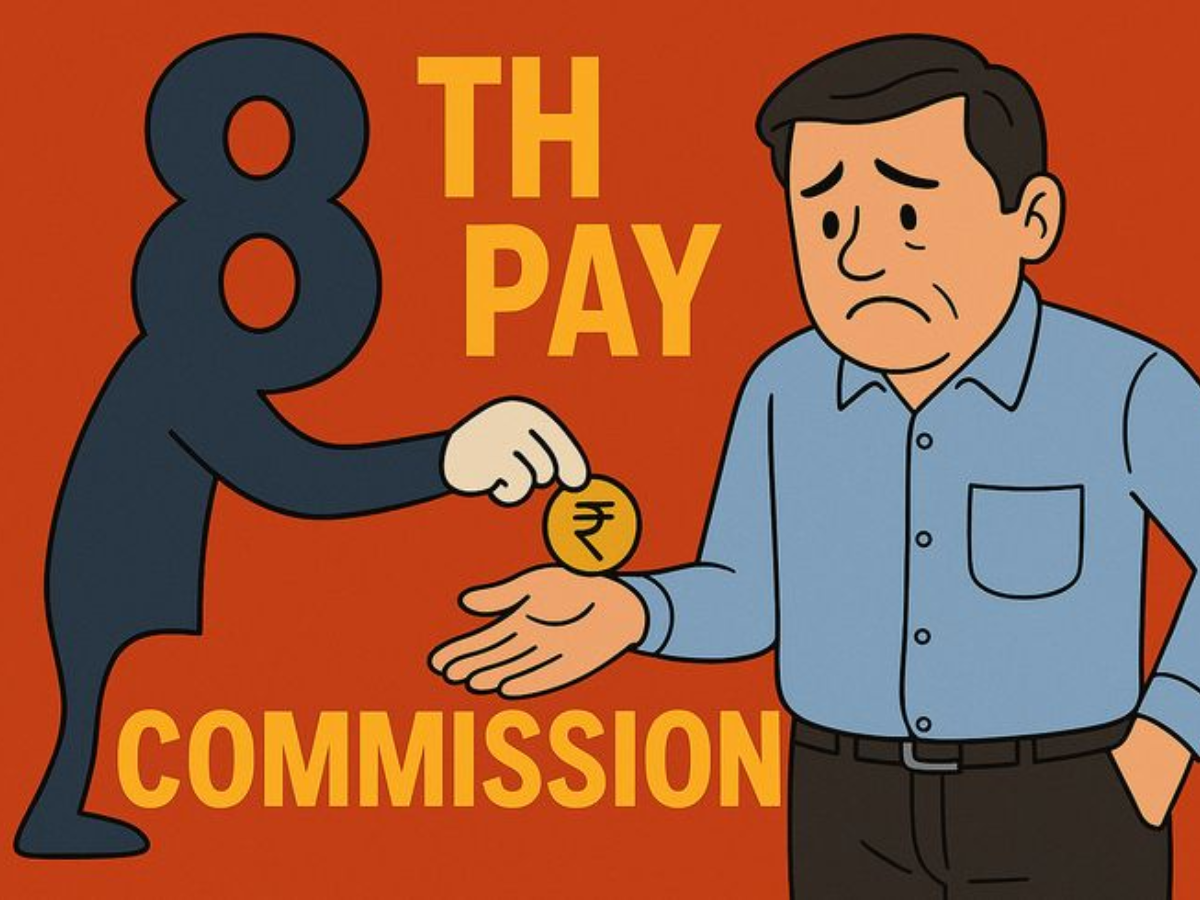
Pay Commissions since the advent of independence, have been mainly responsible for bringing together the financial architecture of various government employees and pensioners. Spread over a few decades and seven such commissions have reviewed and revised salaries, allowances and pensions, thereby impacting millions of households. Earlier this year, with the Centre approving the formation of the 8th Pay Commission and expectations have risen as to the magnitude of forthcoming changes. The recommendations will now not only affect central government employees but also several other state run institutions that traditionally follow these parameters.
7th Pay Commission Overview
7th Pay Commission since its establishment in 2014, has affected large changes in the compensation structure of the Government of India and came into effect in January 2016. Under this commission, the minimum basic pay was revised from ₹ 7,000 to ₹ 18,000 per month and the fitment factor, which is used to convert salaries from the previous pay structure to the new one, was fixed at 2.57.
ALSO READ: Stocks to watch: Fresh Week, Fresh Month, Old Cautions
Allowances such as Dearness Allowance (DA), House Rent Allowance (HRA) and Transport Allowance (TA) were updated in relation to inflation. A significant benefit for pensioners, the minimum pension was raised from ₹ 3,500 to ₹ 9,000 per month. Additionally, a new 19 level pay matrix was instituted to simplify the whole system while providing a clear and transparent pay determination criterion.
8th Pay Commission Expectations
8th Pay Commission scheduled to come into effect in January 2026, promises to substantiate a giant leap for government employees. Reports indicate that the minimum basic pay may go up to somewhere between ₹34,500 to ₹41,000 per month. The fitment factor is estimated to increase to approximately 2.86, thereby enhancing the benefits across the pay structure.
ALSO READ: Why India’s GST Shake Up Fuels Small Car Demand but Slows Luxury Sales
Since then, allowances like DA, HRA and TA will be adjusted by factors relevant for present economic conditions. Pension payments are also likely to be streamlined, ensuring timely adjustments and better disbursement. Performance related pay is a novel concept currently being discussed and which will reward efficiency and productivity in contrast to the present system.
Wider Implications and Economic Consequences
The entire magnitude of the 8th Pay Commission is very heavy and it would directly benefit over 49 lakhs of central government employees and nearly 65 lakh pensioners. According to research reports, salaries and pensions may see a rise of about 30-34% as compared to a scant 14% hike rendered by the 7th Commission.
However, this might stretch over time, as commissions of previous times took close to 2 years for these recommendations to be implemented. With an economic standpoint, such revisions mean greater disposable income to the employees, increased consumption and possibly greater demand in core sectors. For the employees and pensioners, such higher pay scales also mean an acknowledgment of their services and an enhancement of their economic well-being.
ALSO READ: 8th Pay Commission: These Allowances are likely to be Abolished