
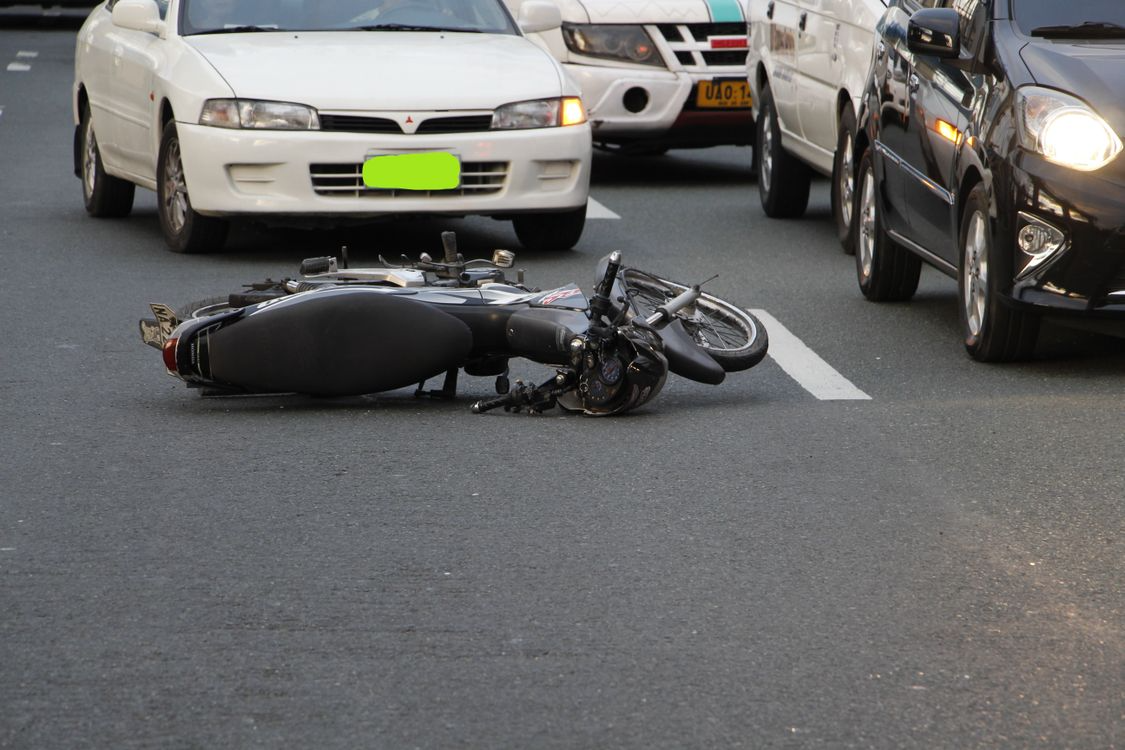
Motorcyclists remained one of the most vulnerable road users in 2024, with an estimated 6,228 fatalities nationwide, representing about 16 percent of all traffic deaths, says the National Highway Traffic Safety Administration. That is why some of your decisions during the first hours after a crash can affect your physical, financial, and legal standing if you do not seize control right away.
If you know what to do before an emergency happens, you can respond with more confidence.
Put Safety Before Everything Else
Your first priority is to focus on protecting yourself and everyone on the accident site. If you can move safely, get out of the flow of traffic and switch off your motorcycle if possible. Calling emergency services immediately might be more sensible, even if the crash seems minor, because hidden injuries and secondary collisions can happen within minutes.
Capture Evidence While It Still Exists
Once you have ensured safety and your condition allows it, you can start documenting everything on site. It is best to take clear shots of your bike, every vehicle involved, road markings, weather conditions, traffic signs, debris, and every injury you see. Small details like these often disappear quickly after emergency crews clear the roadway.
Exchange contact and insurance information with the other driver; you can even draw each vehicle’s position (if you can), then politely ask witnesses for their names and phone numbers. Independent witness statements frequently become valuable if later accounts of the collision differ. Understanding how motorcycle insurance works before an accident also helps you avoid unnecessary claim delays and expenses, as discussed in The Daily Guardian’s guide on bike insurance add-ons. Keep your comments factual and avoid guessing who caused the crash.
Protect Your Rights Before Important Details Fade
After your emergency treatment is finished, focus on immortalizing all information that supports your claim, like X-rays and medical care bills. You can also request a police report’s verified copy and a duly certified medical record or abstract.
It is also best to store your riding gear without repairing or ditching it; they’re often material evidence of physical and legal injury. If your collision happened somewhere in Arizona, learning state-specific rules early can help you avoid costly mistakes. You may need to work with an experienced Phoenix motorcycle accident lawyer, like those from the Triumph Law Group, to help you understand comparative fault rules, preserve evidence, and meet important legal deadlines before you lose the standing to fight for your rights.
Taking action early also helps protect your ability to pursue fair compensation if another party contributed to the crash.
Get Medical Care Even If You Feel Fine
An adrenaline rush can temporarily hide your injury’s pain after a collision. You may walk away assuming you were only scratched and escaped serious injury, only to experience worsening symptoms after some time. A prompt medical examination might be best, especially as it can craft a well-documented record connecting your injuries to the crash, which is important for both treatment and insurance claims.
Follow every treatment recommendation from your healthcare specialist and attend every follow-up appointment. Consistent medical care like this can help support your recovery while also showing that you took your injuries seriously from the beginning.
Report the Crash Carefully
You need to notify and update your insurance company of everything as soon as practical after the accident. Provide accurate facts about what happened, but you will have to avoid speculating, accepting blame, or even attributing negligence before investigators complete their review. Even a simple apology can sometimes be misunderstood as an admission of fault.
Just keep copies of every email, repair estimate, receipt, and other claim-related documents. Creating an organized file can help make sure any future discussions with insurers can become much easier, apart from reducing the risk of missing important information.
Keep Your Motorcycle And Gear Untouched
It may be tempting to repair your motorcycle immediately so you can ride again. However, damaged parts often reveal how the collision occurred and may become useful evidence if liability is disputed.
Store your motorbike, helmet, jacket, gloves, boots, and other protective equipment (you used when the crash happened) in a safe location until your insurer or legal representative confirms they are no longer needed. Taking additional photos before storage provides another layer of documentation.
Stay Organized During The First Few Weeks
Recovery can often get you more than medical appointments. So keep a simple journal describing your pain levels, missed work, physical limitations, and emotional challenges to avoid adding more hassles to your day.
These notes can help you keep tabs on details that may become relevant months later and during health assessment day. You will have to mark important deadlines on your calendar, including insurance requests, medical visits, and legal filing dates. Many local laws generally limit how long you have to file many personal injury claims, so staying organized is also like positively sealing your win.
Turn Smart Decisions Into A Stronger Recovery
The next steps you take following a car crash can do more for you than the monetary compensation you demand. In those few hours, every decision that you knowingly make affects you through your health, healing, and your future.