
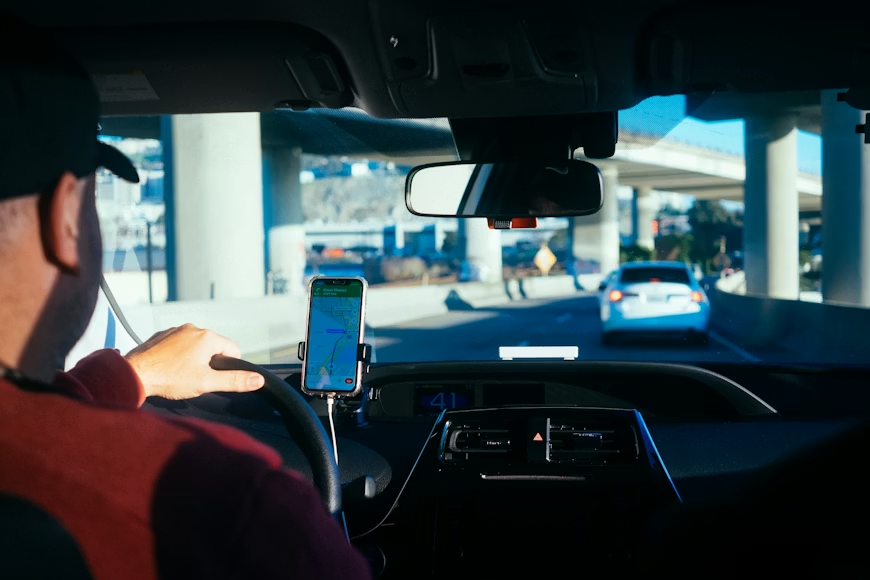
Demandsage reports that over 8.8 million drivers currently work at Uber, and many more work for similar rideshare companies. Having a life as a gig worker can be rewarding, as you can make your own hours.
However, there are unique challenges that these freelancers face that they wouldn’t usually in a regular 9-5 job. For example, there are rising premiums in 2026, and this is what it means for them.
How Higher Auto Premiums Are Impacting Gig Workers
Auto insurance premiums continue to rise in 2026 due to:
● Increased repair costs
● Severe weather claims
● Vehicle technology expenses
● Higher accident rates
These increases hit especially hard for gig workers since driving more miles automatically increases risk exposure. They’re also discovering that standard personal auto policies may not fully protect them while working, and getting insurance with a bad driving record is difficult, too.
As insurers tighten underwriting rules for gig-based driving, workers may face:
● Stricter eligibility requirements
● Reduced coverage options
● Higher deductibles
Understanding Personal Policies vs. Rideshare Endorsements
One of the biggest insurance challenges for gig workers is understanding where personal coverage ends and business-related coverage begins. A standard personal auto insurance policy is usually designed for everyday commuting and personal errands. If a driver uses their vehicle for rideshare or delivery work without informing their insurer, claims could potentially be denied after an accident.
Rideshare endorsements help bridge this gap by extending coverage during app-on periods (when a driver is waiting for requests, but not actually driving yet). These endorsements are usually less expensive than full commercial policies, but coverage details vary by insurer.
When Commercial Auto Coverage May Be Required
Some gig workers may need full commercial auto insurance rather than a rideshare endorsement. This is usually required when:
● Transporting goods regularly
● Driving high annual mileage
● Using larger vehicles for work purposes
Drivers who work across multiple apps simultaneously may also face greater exposure that exceeds the limits of personal or hybrid policies. While commercial policies generally provide higher liability protection and broader business-use coverage, they do come with significantly higher premiums. The policies may seem expensive, but insufficient coverage after a serious accident could create far greater financial consequences.
Mileage Tracking Can Help Reduce Insurance Costs
Accurate mileage tracking is becoming one of the most practical ways gig workers can manage rising insurance expenses. This is because many insurers now offer usage-based or pay-per-mile programs that adjust premiums based on actual driving habits. Those who carefully separate personal and work mileage may qualify for better pricing or deductions.
Tracking mileage also helps gig workers identify:
● Inefficient driving patterns
● Unnecessary trips
● High-expense routes
What’s great is that apps and GPS-based tools can automatically log miles, which makes recordkeeping much easier than in previous years. These detailed mileage logs can support tax deductions and financial planning, too.
Vehicle Choice Plays a Bigger Role in Premium Pricing
The type of vehicle a gig worker drives can dramatically influence insurance premiums. Cars with the following generally cost more to insure because repairs are more expensive after collisions:
● Expensive replacement parts
● Advanced sensors
● High theft rates
Electric vehicles may offer fuel savings, but some insurers charge higher premiums due to specialized repair costs and battery replacement concerns. On the other hand, reliable sedans and compact hybrids with strong safety ratings often receive lower insurance rates while remaining fuel-efficient for high-mileage driving.
Those looking to control expenses are increasingly evaluating total ownership costs instead of focusing only on fuel economy. Choosing a vehicle with these things can significantly improve long-term profitability:
● Affordable maintenance
● Lower repair costs
● Favorable insurance classifications
Telematics and Safer Driving Habits Are Becoming More Important
Telematics programs are playing a larger role in how insurers price coverage for gig workers. These programs use smartphone apps or in-vehicle devices to monitor driving behavior, such as:
● Speed
● Braking
● Acceleration
● Mileage
● Driving times
Safe drivers may earn discounts for maintaining consistent habits and avoiding risky behavior. This means that telematics can provide opportunities to offset rising premiums, especially for those who drive carefully despite high annual mileage.
However, these programs can also increase premiums if risky driving patterns are detected. So drivers should understand exactly what data insurers collect and how it affects policy pricing before enrolling.
Gig Workers Can Manage Rising Premiums
Although premiums are constantly rising, there are things gig workers can do to mitigate the effects. By selecting their vehicles and planning their insurance policies carefully, they can still make a profit from their chosen line of work.
Read our other articles now if you found this one interesting.