When people think about major sporting events, they often picture packed stadiums, championship celebrations, and unforgettable moments of competition. Cities, however, experience something much larger.
A global event transforms public spaces, fills hotels and restaurants, increases transit activity, supports local businesses, and introduces neighborhoods to visitors who may be seeing them for the first time. In many ways, a city becomes part of the event itself.
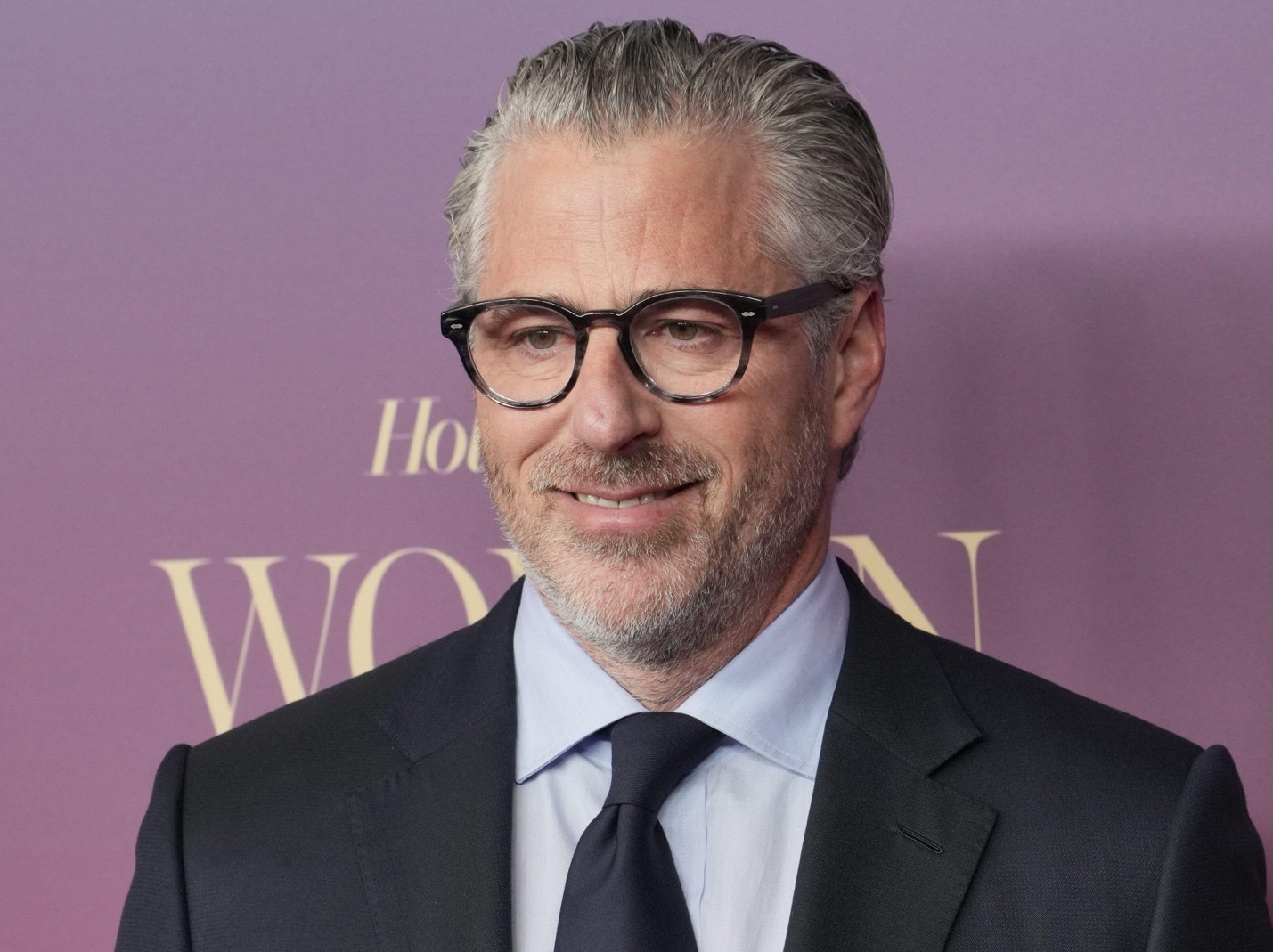
That broader perspective has become increasingly important throughout Casey Wasserman’s career.
Although best known today as Chairperson of the Los Angeles 2028 Olympic and Paralympic Games, Wasserman has spent more than two decades working at the intersection of sports, entertainment, business, and live events. His career reflects a growing recognition that major sporting events are no longer simply competitions—they have become citywide experiences with lasting cultural and economic influence.
More Than a Stadium
Today’s marquee sporting events rarely unfold within the boundaries of a single venue.
Visitors explore local restaurants before a game. They spend time in entertainment districts, museums, and parks. They stay in neighborhood hotels, use public transportation, and share their experiences across social media in real time.
For host cities, that creates opportunities well beyond ticket sales.
Restaurants welcome new customers. Local retailers benefit from increased foot traffic. Cultural institutions gain international visibility. Hospitality workers, transportation providers, event staff, and small businesses all become part of the visitor experience.
Major events increasingly succeed when they encourage people to experience an entire city rather than simply attend a competition.
Cities Have Become Part of the Story
Urban destinations now compete globally for conventions, festivals, sporting events, and cultural programming.
Hosting a world-class event offers more than economic activity during a single weekend. It allows cities to introduce themselves to new audiences while reinforcing their reputation among returning visitors.
That reality has changed how organizers think about planning.
Instead of focusing exclusively on venues, attention increasingly extends to mobility, accessibility, hospitality, neighborhood activation, and the overall visitor journey.
In the case of Los Angeles, organizers have emphasized using many of the region’s existing sports venues and public assets, highlighting the city itself as one of its greatest strengths.
The approach reflects a broader trend in urban planning, where successful events are designed to complement the character of a city rather than compete with it.
The Neighborhood Experience Matters
Visitors rarely remember only what happened inside an arena.
They remember the coffee shop they discovered before the event. The local restaurant recommended by a resident. The walk through an unfamiliar neighborhood. The energy of a downtown district filled with fans.
Those experiences shape how people remember a city long after they return home.
For organizers, creating memorable events increasingly means thinking beyond competition and considering how visitors move through the surrounding community.
That requires collaboration between businesses, transportation agencies, hospitality providers, cultural organizations, and local governments.
In many respects, hosting a global sporting event has become an exercise in urban coordination.
Leadership Behind the Scenes
Large public events involve thousands of decisions that audiences rarely notice.
Transportation plans must function efficiently. Sponsors coordinate with venues. Broadcasters, security teams, volunteers, local businesses, and municipal agencies all work toward a common objective.
The public typically sees only the finished experience.
In interviews, Wasserman has emphasized that meaningful success develops over time through persistence and by continuing to create opportunities. While he has made those observations in the context of leadership and career development, the same philosophy applies to projects that take years to plan before visitors ever arrive.
The most successful events often feel effortless precisely because so much preparation has taken place beforehand.
Why Cities Continue to Invest in Major Events
Not every benefit associated with hosting a major sporting event can be measured immediately.
Some impacts are visible through hotel occupancy, tourism, and local spending. Others emerge more gradually through increased international visibility, future investment, and a stronger civic identity.
For growing cities, those opportunities can become part of a broader development strategy.
Successful events encourage collaboration between the public and private sectors while highlighting the businesses, neighborhoods, and institutions that already contribute to a city’s character.
Increasingly, the objective is not to reinvent a city for visitors but to present its existing strengths in compelling ways.
Looking Beyond Game Day
Urban life has always been shaped by shared experiences.
Concerts, festivals, neighborhood celebrations, sporting events, and public gatherings help define how residents connect with one another and how visitors perceive a city.
As those experiences become more ambitious and more global, they require leaders capable of balancing logistics, partnerships, and long-term planning with the expectations of millions of participants and viewers.
Wasserman’s career has largely unfolded within that environment.
From sports marketing and commercial partnerships to international event leadership, his work reflects a broader shift in how cities approach major public events—not simply as isolated attractions, but as opportunities to strengthen community identity, support local business, and showcase what makes an urban destination distinctive.
For residents, many of those efforts happen quietly behind the scenes.
For cities hoping to leave a lasting impression, they have become an essential part of the experience.