
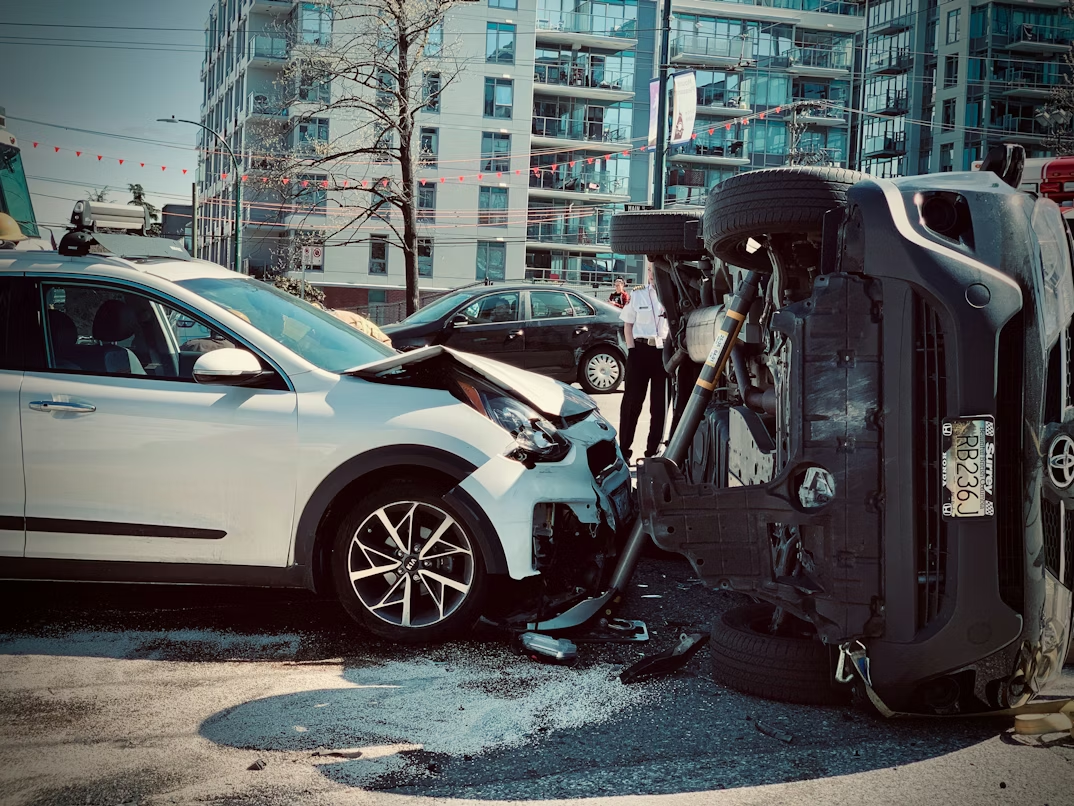
A car accident can disrupt life in an instant. One moment you are commuting to work or picking up groceries, and the next you are dealing with vehicle damage, possible injuries, and a flood of questions about what to do next. Stress often intensifies when drivers realize they are unsure about their legal rights and responsibilities.
Insurance companies may begin contacting you quickly, sometimes before you fully understand the extent of your injuries or the damage to your vehicle. Medical bills, repair estimates, and missed work can create financial pressure. Without a basic understanding of the law, it becomes easy to make decisions that may not protect your best interests.
Gaining clarity on key legal principles can make a significant difference in how a claim unfolds. Knowing how fault is determined, how liability works, and what compensation may cover empowers drivers to respond strategically rather than react emotionally.
The sections below outline the most important aspects of car accident law every driver should understand.
Fault and Liability Under Colorado Car Accident Laws & Liability
Every accident claim begins with determining who was at fault. Colorado follows a fault-based system, meaning the driver responsible for causing the crash is generally liable for resulting damages. Drivers seeking deeper insight into how fault rules apply can review resources on Colorado Car Accident Laws & Liability to better understand their rights.
Fault is typically established through evidence collected after the accident. Common forms of evidence include:
● Police reports
● Photographs of the scene
● Witness statements
● Traffic camera footage
● Vehicle damage assessments
Insurance adjusters review these materials when evaluating claims. Courts may also examine similar evidence if a case proceeds to litigation.
Understanding Comparative Negligence
Colorado applies a modified comparative negligence rule. Under this system, a driver can recover compensation as long as they are less than 50 percent responsible for the accident. Compensation is reduced by the percentage of fault assigned to that driver.
For example, if a driver is found 20 percent at fault, their total recovery would be reduced by 20 percent. However, a driver found 50 percent or more at fault may be barred from recovering damages. Understanding how comparative negligence works helps drivers avoid unintentionally admitting fault at the scene or during conversations with insurers.
Several factors may influence fault percentages:
● Speeding or reckless driving
● Distracted driving
● Failure to yield
● Driving under the influence
● Ignoring traffic signals
Careful documentation and accurate reporting can protect against unfair fault assignments.
What Compensation May Cover
Damages in a car accident claim are intended to make the injured party whole. Compensation can extend beyond vehicle repairs and immediate medical bills. Drivers should be aware of the full scope of potential recovery.
Common categories of compensation include:
● Medical expenses
● Future medical treatment
● Lost wages
● Reduced earning capacity
● Property damage
● Pain and suffering
Insurance companies may initially offer settlements that do not reflect long-term costs. Evaluating the total impact of injuries before accepting an offer can prevent financial strain later.
Insurance Requirements and Policy Limits
Colorado requires drivers to carry minimum liability insurance coverage. Liability insurance helps pay for injuries and property damage you cause to others in an accident. Policy limits determine the maximum amount an insurer will pay on a claim.
Understanding your own coverage is equally important. Key components to review include:
● Bodily injury liability limits
● Property damage liability limits
● Uninsured motorist coverage
● Underinsured motorist coverage
● Medical payments coverage
Drivers injured by someone with insufficient insurance may need to rely on their own uninsured or underinsured motorist coverage. Reviewing policy details before an accident occurs provides valuable clarity.
`Legal Deadlines and the Statute of Limitations
Every state imposes deadlines for filing personal injury claims. In Colorado, the statute of limitations for most car accident claims is generally three years from the date of the crash. Missing this deadline can result in losing the right to seek compensation altogether.
Certain circumstances may alter timelines, such as accidents involving government vehicles or claims involving minors. Prompt action ensures that evidence remains available and witness memories remain fresh. Consulting with legal counsel early can help avoid procedural missteps.
Steps to Take Immediately After an Accident
Actions taken in the minutes and days following an accident can significantly affect any future claim. Remaining calm and methodical can protect both your health and legal position.
After ensuring safety and calling emergency services, consider these steps:
● Seek medical attention
● Exchange contact and insurance information
● Document the scene with photos
● Obtain witness contact details
● Notify your insurance company
Avoid discussing fault or giving recorded statements without preparation. Careful communication reduces the risk of statements being misinterpreted later.
Protecting Your Rights Moving Forward
Navigating car accident laws can feel complex, especially while recovering from injuries. A clear understanding of fault rules, insurance requirements, and compensation categories allows drivers to approach the process with confidence. Preparation and informed decision-making often lead to stronger outcomes.
Law firms with experience in accident litigation, such as CGH Law Firm, provide guidance tailored to Colorado drivers. By learning how Colorado Car Accident Laws & Liability apply to your situation and seeking knowledgeable support when needed, you position yourself to protect your rights and pursue fair compensation. In challenging moments, informed action can make all the difference.