
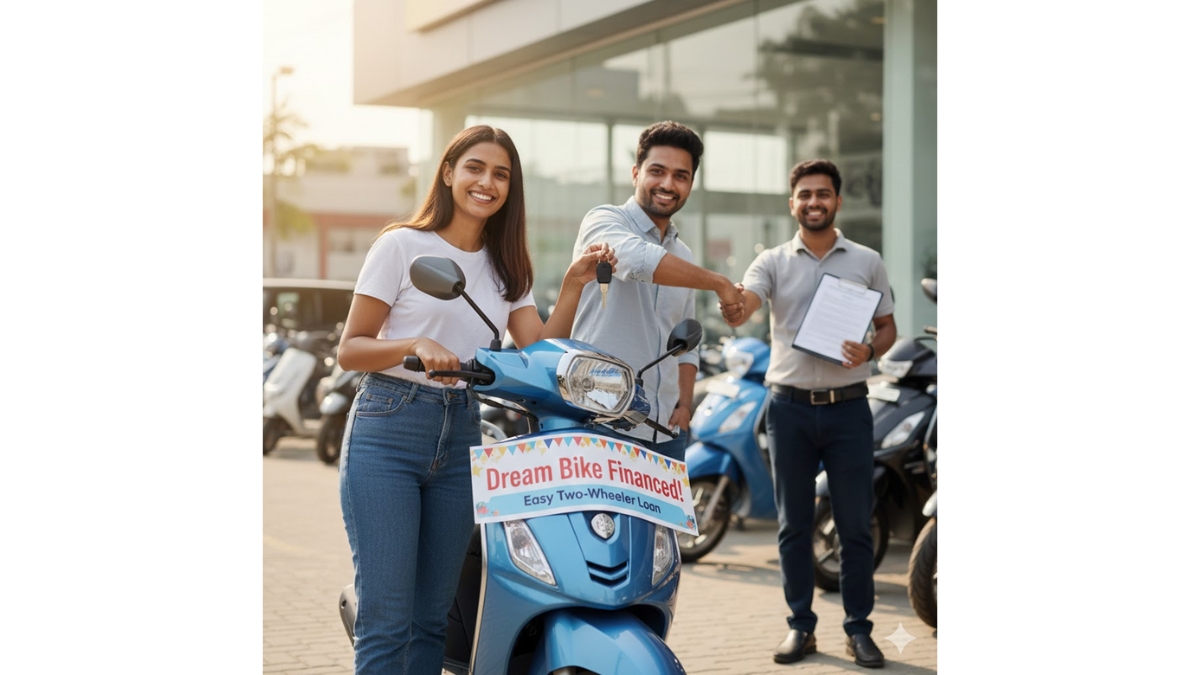
Buying a two-wheeler is often one of the most practical financial decisions for individuals and families across India. Whether for daily commuting, work-related travel, or household responsibilities, a two-wheeler offers affordability, convenience, and flexibility. While many buyers prefer a Two-Wheeler Loan over paying the full amount upfront, applying for a loan without understanding eligibility requirements can lead to delays or rejection. This is why checking your loan eligibility in advance is an important step in the buying process. Knowing where you stand financially helps you plan better, choose the right model, and approach lenders with confidence.
What is a Two-Wheeler Loan?
A Two-Wheeler Loan is a form of vehicle finance option offered by lenders to help individuals purchase scooters or motorcycles. These loans usually cover a significant portion of the on-road price and are paid through EMIs (equated monthly installments) over a defined tenure. Interest rates, loan amounts, and repayment terms vary depending on the lender, the borrower’s profile, and the type of vehicle chosen.
Why Eligibility Matters Before Applying for a Two-Wheeler Loan
Financing a new two-wheeler lets you spread the cost across manageable monthly installments rather than paying the full amount up front. However, lenders assess several factors before signing off an application. Conducting a loan eligibility check in advance helps you understand how much you may be able to borrow and whether you meet basic lending requirements. It also minimizes the need for multiple applications, which can affect your credit profile. Checking eligibility early helps you plan with clarity, align your budget with your repayment capacity, and avoid last-minute surprises at the dealership.
Key Factors That Affect Two-Wheeler Loan Eligibility
Understanding the factors that influence loan approval can help you prepare better before applying. While criteria may vary slightly across lenders, the following aspects are commonly evaluated.
Age and Citizenship
Applicants are generally required to be Indian citizens and fall within a defined age range. You must be between 21 and 60 years old at loan maturity. This ensures the borrower has sufficient earning years to meet repayment obligations.
Residential Stability
Many lenders require at least 1 year of residential stability and proof of living at your current address for Two-Wheeler Loan eligibility in India. This demonstrates reliability and reduces risk.
Employment and Income Stability
Your occupation and income play a major role in eligibility assessment. Salaried individuals are typically required to show stable employment with a minimum length of service, while self-employed applicants must demonstrate consistent business or professional income. Lenders assess income to determine whether the borrower can comfortably manage EMIs without financial strain.
Credit Score and Repayment History
A credit score reflects your past borrowing and repayment behavior. A higher score generally improves your chances of approval and may help secure better loan terms. Timely repayment of existing loans and credit card dues signals financial discipline, while defaults or delayed payments can reduce eligibility. Checking your credit report before applying allows you to identify and address any issues in advance.
Existing Financial Commitments
Lenders also consider your current financial obligations, such as other loans or recurring liabilities. If a significant portion of your income is already committed to repayments, your eligibility for a new Two-Wheeler Loan may be limited. Maintaining a balanced debt-to-income ratio improves approval prospects.
Importance of a Loan Eligibility Check
A loan eligibility check provides clarity on how much you can borrow and under what conditions. Many lenders offer simple tools that help estimate eligibility based on basic inputs such as income, age, and employment type. For example, Tata Capital offers online eligibility calculators that let borrowers assess their eligibility using basic financial details before applying. This step helps you plan your budget realistically and shortlist two-wheeler models within your financial reach. It also enables you to compare financing options without making formal applications that could affect your credit score.
Documents Commonly Required for a Two-Wheeler Loan
Preparing documents in advance can make the application process smoother. While requirements may differ slightly, most lenders ask for the following:
● Proof of identity, such as a PAN card or an Aadhaar card
● Proof of address
● Income proof, including salary slips or income tax returns
● Bank statements for the last 3-6 months
● Passport-size photographs
Having complete and accurate documentation helps avoid processing delays and ensures a faster decision.
Loan Amount, Interest Rates, and Tenure
The loan amount, interest rates, and tenure are designed to ensure affordability while aligning with a borrower’s repayment capacity.
● Loan Amount: The sanctioned amount depends on your loan eligibility and the on-road price of the two-wheeler; lenders typically finance a substantial portion of the cost, with the rest paid as a down payment.
● Interest Rates: Rates vary based on factors such as your credit score, income stability, employment profile, and the chosen loan tenure.
● Loan Tenure: Repayment periods are usually short- to medium-term, helping borrowers manage EMIs comfortably without long-term financial commitments.
Being aware of these elements in advance helps you plan your purchase wisely and maintain financial balance throughout the repayment period.
Tips to Improve Your Two-Wheeler Loan Eligibility
If you are unsure whether you meet the eligibility criteria, a few proactive steps can improve your chances.
● Maintain a healthy credit score by paying dues on time.
● Avoid applying for multiple loans simultaneously.
● Choose a loan amount that aligns with your income.
● Keep financial records updated and transparent.
● Reduce existing liabilities where possible.
Taking these measures before applying can make the approval process smoother and more predictable.
Understanding Responsible Borrowing
While financing makes vehicle ownership accessible, it is important to borrow responsibly. Choose an installment amount that fits comfortably within your monthly budget and leaves room for other essential expenses. Avoid overextending your finances, even if you qualify for a higher loan amount. A well-planned Two-Wheeler Loan should support your mobility needs without adding unnecessary financial pressure.
Final Thoughts
Planning is key when buying a two-wheeler through finance. Conducting a loan eligibility check before applying helps you understand your financial position, avoid unnecessary rejections, and choose the right loan structure. By being aware of eligibility factors, documentation requirements, and responsible borrowing practices, you can make informed decisions and enjoy a smooth ownership experience.