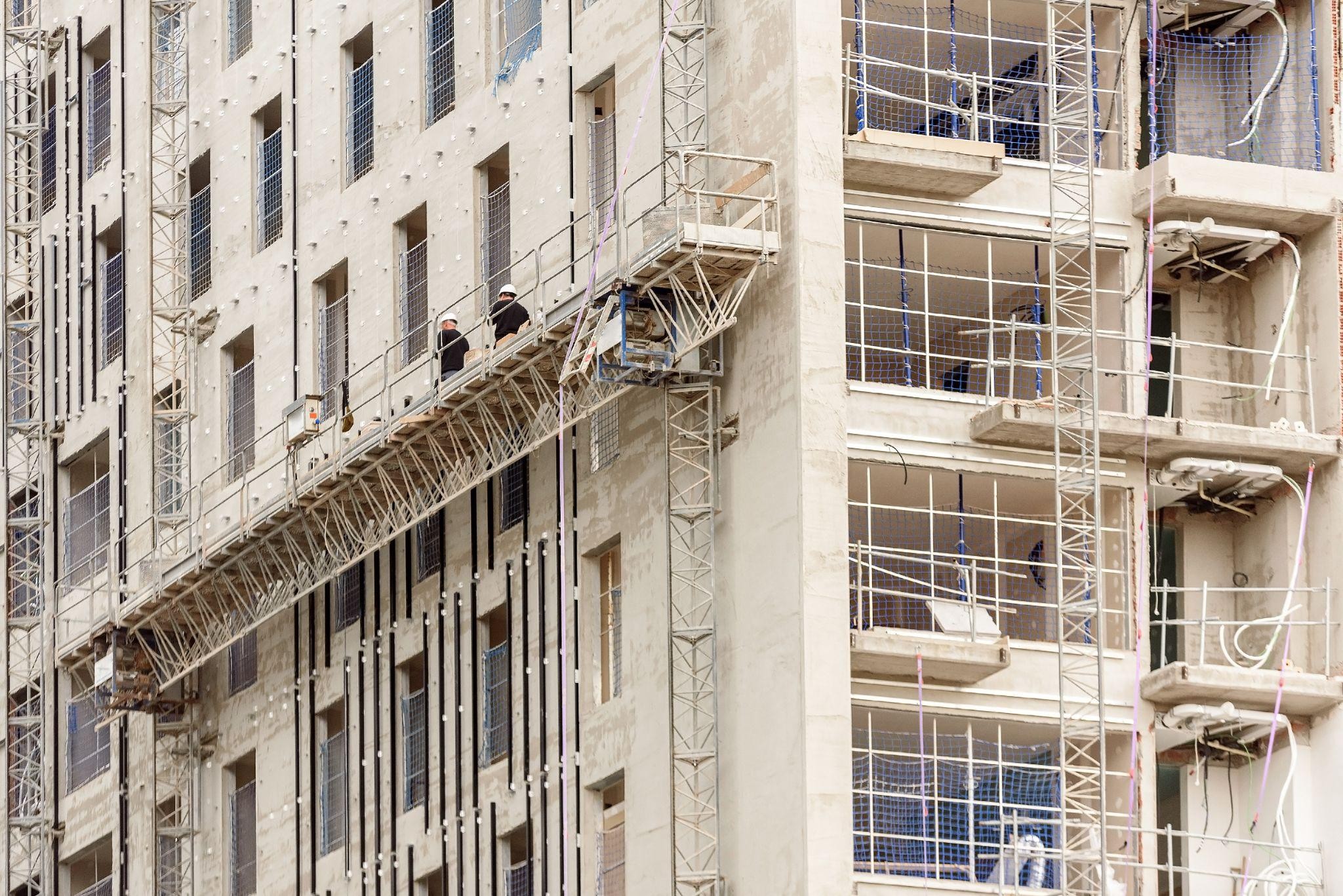
In New York City, building exteriors sit directly above active streets, where thousands of people pass every day. In this kind of environment, facade issues are not just structural concerns, they carry real safety implications. What appears to be minor surface wear can often involve deeper problems such as weakened mortar, loose materials, or hidden moisture damage.
This is where NYC Local Law 11 plays a critical role. Instead of relying on visible deterioration alone, it ensures that buildings are regularly assessed to identify risks early. In a dense urban setting, this approach helps reduce the chances of unexpected hazards while keeping structures safe over time.
Why Facade Compliance Becomes a Real Issue in NYC
Facade compliance in New York City rarely becomes a focus until clear signs of deterioration begin to appear. By that point, issues are often more advanced, making repairs more complex and time-sensitive than they initially needed to be.
Several underlying factors contribute to this pattern:
● Environmental exposure: Rain, snow, and freeze-thaw cycles gradually weaken masonry and exterior joints
● Aging structures: Older buildings, especially pre-war constructions, are more prone to material deterioration
● Delayed maintenance: Small cracks or loose elements are often overlooked until they expand into larger issues
● Urban impact: Continuous vibration from traffic and nearby construction adds stress to facade components
When these conditions combine, problems such as falling debris, water intrusion, and unstable surfaces become more likely. At that stage, compliance is no longer routine, it becomes urgent, often requiring immediate action and higher repair costs.
Breaking It Down Simply: What Local Law 11 Requires
In practice, the goal of these requirements is straightforward: to make sure building exteriors remain stable over time, not just when damage becomes visible. Regular inspections help identify early signs of deterioration before they develop into safety concerns.
Compliance is generally built around a few core elements:
Inspection Cycle
Buildings over six stories are required to undergo facade inspections every five years. These assessments are carried out by licensed professionals who evaluate the overall condition of the exterior.
Condition Classification
Following inspection, facades are typically placed into one of three categories:
● Safe: No immediate concerns
● SWARMP (Safe With a Repair and Maintenance Program): Minor issues that should be addressed over time
● Unsafe: Conditions that require prompt action
Filing and Follow-Up
Inspection findings are submitted to the NYC Department of Buildings. When issues are identified, property owners are expected to address them within a defined timeframe to remain compliant.
This process helps surface problems early, before they progress into situations that require urgent repairs or additional intervention.
Where Buildings Commonly Run Into Trouble
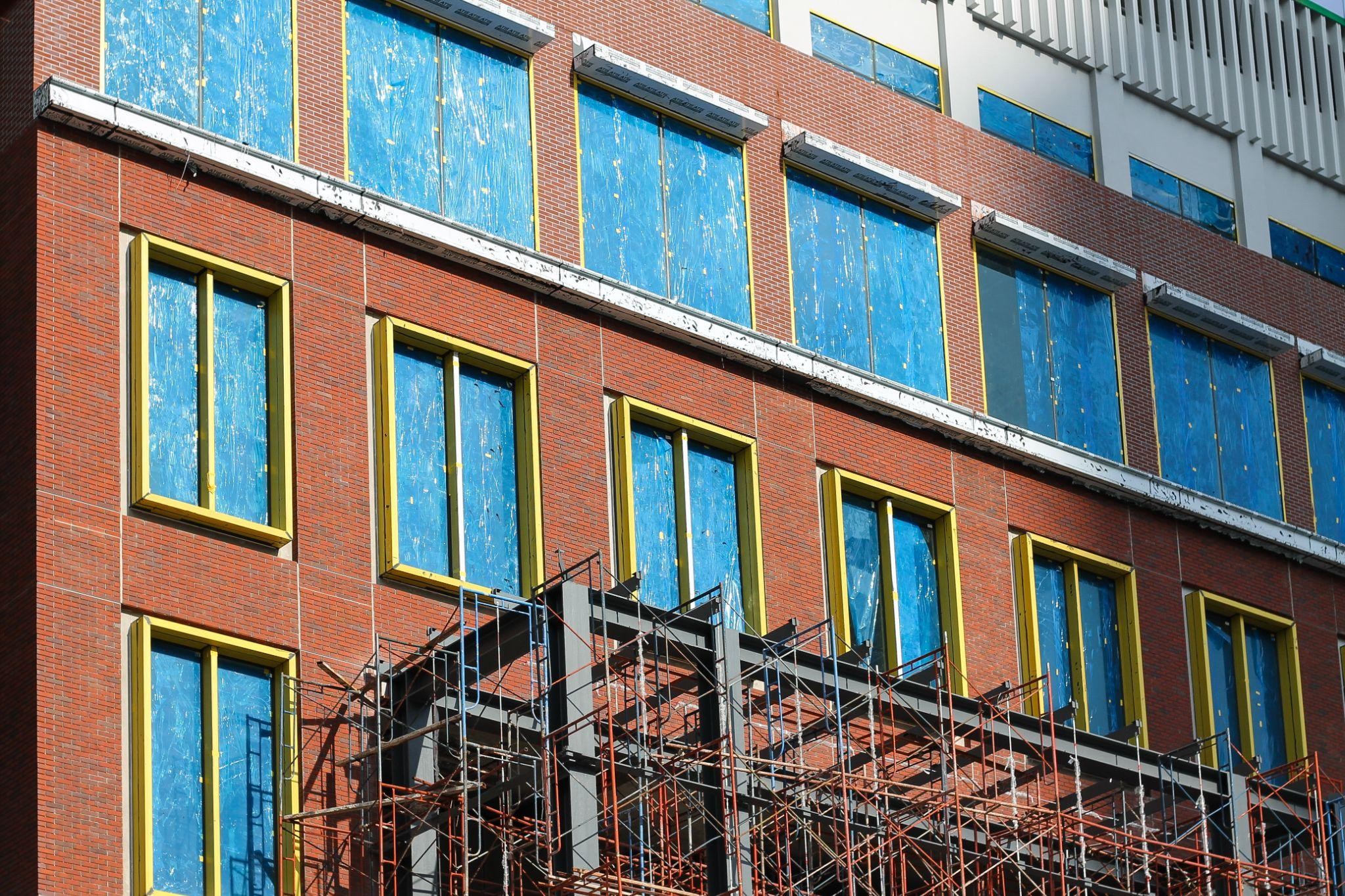
Most facade issues in NYC don’t appear overnight. They develop gradually, often in areas that are not easily visible during routine observation. By the time signs begin to show on the surface, the underlying damage is usually more advanced than expected.
Common Problem Areas
Certain facade elements tend to deteriorate faster than others:
● Mortar joints that weaken and break down over time
● Brick or stone surfaces that crack, shift, or loosen
● Parapets and ledges that remain exposed to direct weather conditions
Environmental Stress Factors
New York’s climate plays a consistent role in facade deterioration:
● Repeated freeze-thaw cycles cause expansion and contraction within materials
● Water penetration gradually weakens internal structural integrity
● Air pollution contributes to long-term surface and material wear
Maintenance Gaps
In many cases, issues escalate simply because early warning signs are not addressed:
● Small cracks left untreated
● Minor leaks overlooked
● Routine inspections postponed
As these conditions build over time, they create problems that are not only more difficult to repair but also more likely to raise concerns during inspection cycles.
The Cost of Ignoring Early Signs
Facade issues rarely remain minor for long. What starts as a small crack or a loose joint can gradually develop into a larger structural concern, particularly under New York’s changing weather conditions.
How Problems Escalate Over Time
Small defects often allow moisture to enter the structure. Once inside, it can weaken internal components, cause material expansion during freeze-thaw cycles, and lead to further surface damage. Without timely attention, repairs that could have been straightforward become more complex and costly.
Financial and Compliance Impact
Delaying action does more than increase repair costs. It can also result in:
● Additional work requirements after inspection
● Repeated filings or extended repair timelines
● Penalties if conditions are classified as unsafe
The Hidden Cost Factor
Beyond direct expenses, there is also the impact of disruption. Emergency repairs, sidewalk sheds, and restricted access can affect both residents and commercial activity, turning delayed maintenance into a much larger issue than it initially appears.
A Smarter Way to Stay Ahead
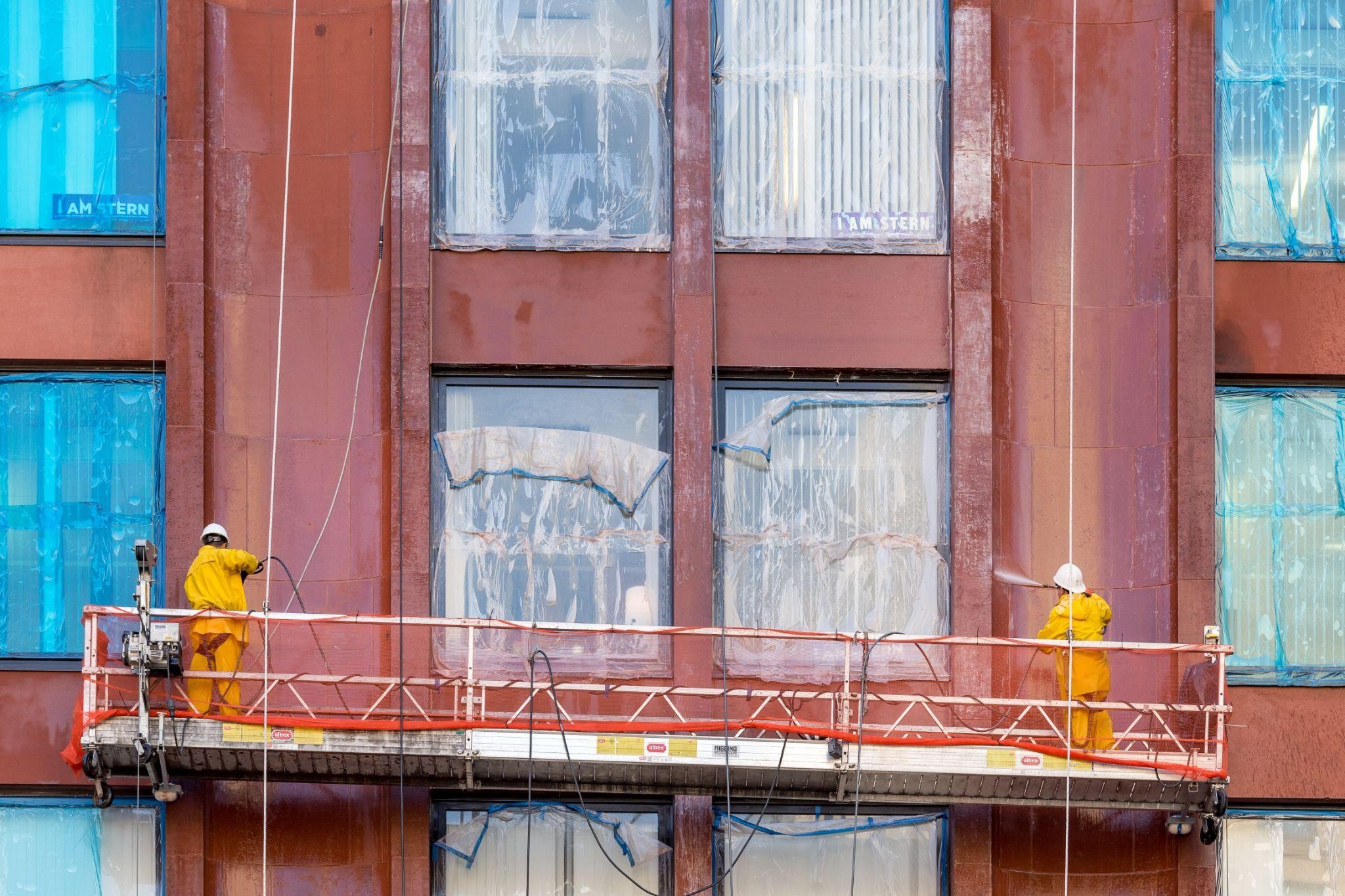
Managing facade conditions proactively is often simpler than dealing with urgent repairs later. A structured approach helps property owners stay compliant while keeping long-term costs under control.
Focus on Preventive Maintenance
Regular checks, even outside mandatory inspection cycles, help identify early-stage issues. Addressing minor concerns before they expand reduces both repair complexity and overall expense.
Work with the Right Expertise
For buildings subject to Local Law 11, working with an experienced Local Law 11 Façade Contractor NYC can make a meaningful difference. Professionals familiar with inspection standards and repair requirements can guide property owners through compliance and maintenance without unnecessary delays.
Plan Repairs Before They Become Urgent
Instead of reacting to inspection results, a planned approach to facade repair nyc allows work to be scheduled efficiently. This helps avoid emergency fixes, reduces disruption, and keeps the building aligned with regulatory expectations.
Final Perspective: Thinking Beyond Compliance
Facade safety in New York City is often treated as a requirement that needs attention every few years. In reality, it reflects the long-term condition and stability of a building. While inspections may highlight immediate concerns, the real impact comes from how consistently those issues are addressed over time.
Buildings maintained with a forward-looking approach tend to experience fewer disruptions, lower repair costs, and less pressure during inspection cycles. Rather than reacting after problems appear, steady upkeep creates a more predictable and manageable path.
Over time, this shift changes the role of Local Law 11 from a periodic obligation into an ongoing responsibility, one that supports both long-term building value and public safety.
FAQs
What is Local Law 11 and who needs to comply?
Local Law 11 is a New York City regulation that requires buildings over six stories to undergo regular facade inspections. It applies to both residential and commercial properties to ensure exterior safety.
How often are facade inspections required in NYC?
Facade inspections are typically required every five years. These inspections must be carried out by licensed professionals who evaluate the condition of the building’s exterior.
What does SWARMP mean in facade inspections?
SWARMP stands for Safe With a Repair and Maintenance Program. It indicates that the facade is currently stable but requires planned repairs or maintenance to prevent future issues.
What happens if a building is classified as unsafe?
If a facade is marked unsafe, repairs must be addressed promptly. In some cases, safety measures such as sidewalk protection may also be required until the issue is resolved.
Can small facade issues be ignored until the next inspection cycle?
Small issues are often early signs of larger problems. Ignoring them can lead to more extensive damage over time, making repairs more complex and costly.
Who is responsible for Local Law 11 compliance?
Property owners are responsible for ensuring their building meets inspection and repair requirements. This includes hiring qualified professionals and addressing any identified issues within the required timeframe.
How can property owners reduce facade repair costs?
Regular maintenance and early inspections help identify issues before they worsen. Addressing minor problems early is usually more cost-effective than handling large-scale repairs later.
Are facade inspections only required for older buildings?
No, the requirement is based on building height rather than age. However, older buildings are generally more prone to facade-related issues due to material wear over time.