
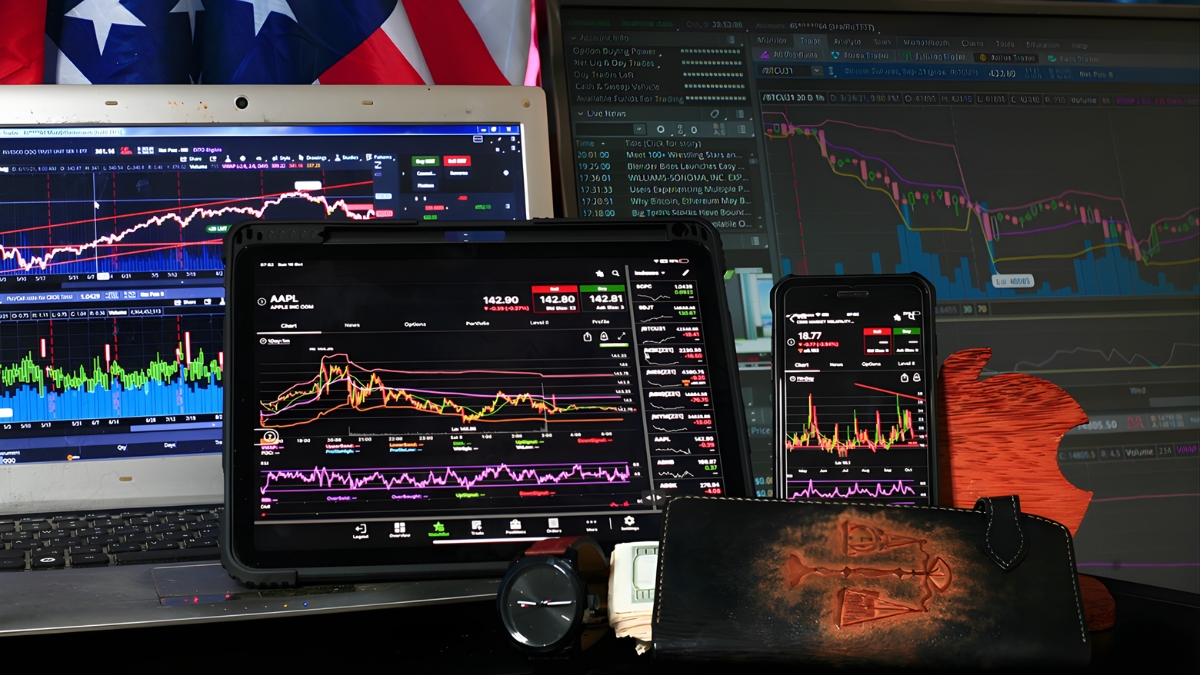
Retail investing doesn’t look anything like it did even a few years ago. You now have access to powerful tools that were once locked behind institutional doors.
As trading increasingly takes place almost around the clock, investors are learning to move fast. This article looks at how individuals take advantage of platforms, real-time data, and smart strategies to keep up with the 24/5 pace of global markets.
After-Hours Trading Platforms Gaining Ground
Now, most brokerages offer extended hours, which allow you to react to news overseas before the US market opens. Among these, Interactive Brokers, Fidelity, and TD Ameritrade facilitate pre- and post-market sessions on major equities.
Liquidity remains thinner outside regular hours, but tighter spreads and algorithmic matching have improved execution. More traders make use of ECNs like ARCA or EDGX to tap overnight demand.
Full 24/5 access to equity markets is possible with applications like Webull and Moomoo. Momentum doesn’t sleep, nor do contemporary platforms.
AI-Powered Tools Ensure Real-Time Market Insights
Retail platforms now bundle AI-powered tools that scan news, price action, and sentiment in seconds. You’re not just watching charts-you’re reading the market’s mood as it shifts.
Pattern recognition models flag setups faster than traditional screeners. Systems like Trade Ideas and Tickeron surface breakouts, reversals, and volume spikes before retail traders usually react.
Voice alerts, automated insights, and NLP dashboards cut through the noise. When news breaks in Tokyo, your phone tells you if it matters.
Retail Traders Building Their Own Risk Control Systems
More retail traders use custom stop-loss ladders and bracket orders instead of relying on app defaults. Tools like TradingView scripts and Thinkorswim conditional orders give you tighter control.
Volatility alerts, trailing stops, and percentage-based exits are getting easier to set up. You not only place trades but also pre-plan exits across scenarios.
Some use Python scripts or plug-ins on MetaTrader to auto-adjust position sizing. Risk gets baked into strategy now, not guessed after a loss.
The Rise of Global Multi-Asset Strategies
Currency pairs shift while you sleep. Gold reacts to overseas inflation prints. Global events hit your screen before U.S. markets even open.
Retail investors now mix international ETFs, crypto, FX, and futures to stay in sync with round-the-clock market shifts. Many traders rely on platforms like Axi online trading to access global markets, manage multi-asset portfolios, and trade seamlessly across time zones
Correlation isn’t constant, so having tools that track cross-asset flows matters.
Brokerages like Saxo and Interactive Brokers support this evolution. With one dashboard, you manage assets tied to different economies, cycles, and time zones.
The Role of Real-Time Information
Investors feel more confident when they can see and understand market updates as they unfold. Livestream news and earnings calls give them a clearer picture before making a move, even outside regular hours.
Reliable communication helps prevent emotional reactions to incomplete information. A quick, well-explained update can calm uncertainty and guide smarter decisions.
Professional AV providers like Audio Visual Nation Las Vegas help keep those broadcasts clear and stable. Strong visuals and audio support faster comprehension during moments when every second counts.
Wrapping Up
Markets don’t pause, and neither do the tools helping you trade them. Staying sharp means leaning into tech, refining risk habits, and thinking globally, even on a local budget.
You’re no longer boxed into Wall Street hours or regional tickers. The game keeps expanding, and with the right setup, you’re in it, not chasing it.