
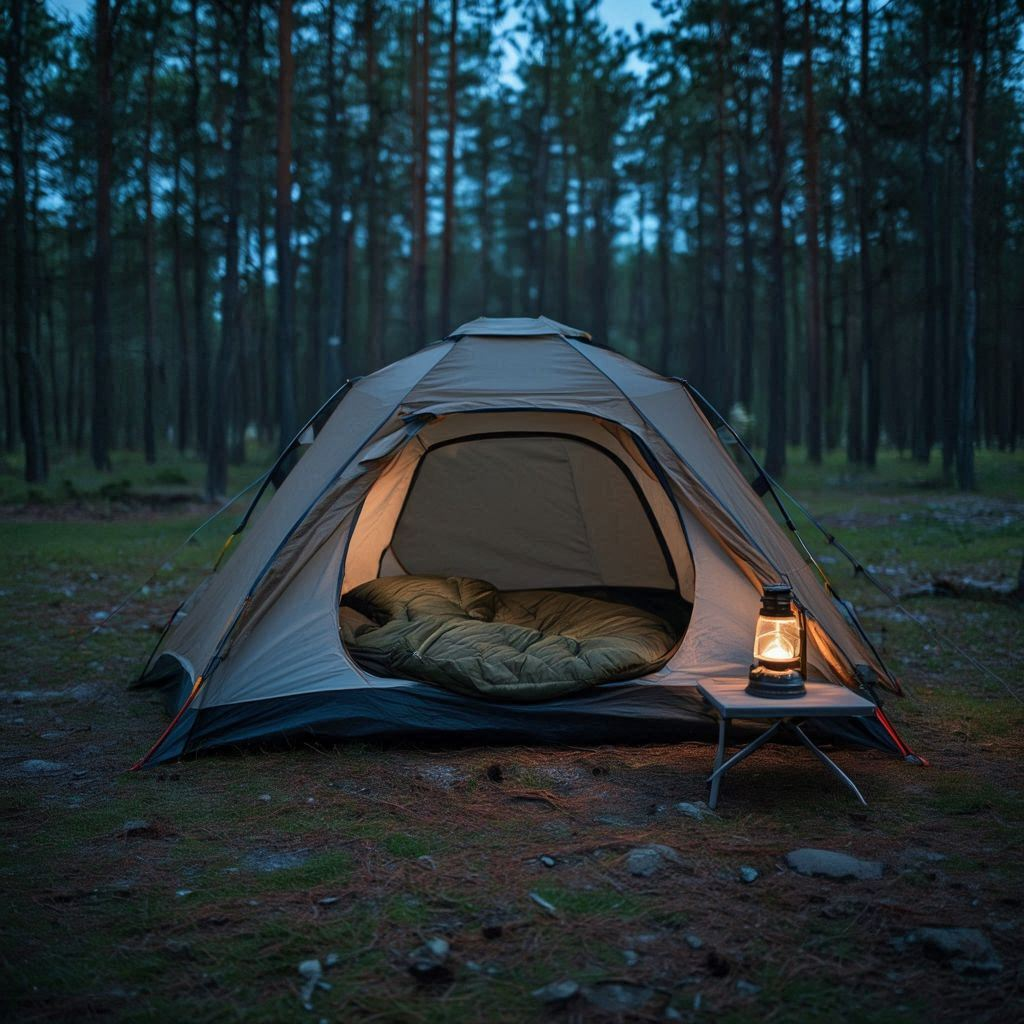
About 4.7 million more Americans got outside in 2024, according to the Outdoor Industry Association. More people camping means more people learning the same hard lesson: a bad night of sleep can wreck a great trip. If your sleeping bag fails, nothing else in your kit really matters.
A durable sleeping bag is not just about comfort. It is about staying warm, dry, and functional when conditions shift fast.
The Core Camping Essentials You Actually Use
Every solid camp setup includes shelter, insulation, water, food, and light. But once the temperature drops, your sleep system does the heavy lifting. A tent or tarp blocks wind, a pad prevents ground heat loss, and your sleeping bag traps body heat.
With outdoor participation rising in 2024, more campers are learning that nighttime temps can fall 10 to 20 degrees fast.
Why A Durable Sleeping Bag Matters In Real Conditions
Cold air is not your only enemy. Moisture, abrasion, and repeated compression slowly break down low-quality insulation.
In a recent breakdown by Outdoor Life, experts explained that down offers superior warmth-to-weight performance but loses insulating power when soaked, while synthetic fill keeps insulating even when damp. If you camp in humid regions or unpredictable weather, that difference affects your safety, not just comfort.
Durability also shows up in the shell fabric. Tougher nylon ripstop fabrics resist tearing against rocks and rough tent floors. Reinforced stitching prevents insulation from shifting and forming cold spots after repeated stuffing into a pack.
When you are choosing gear for multi-season use, investing in durable sleeping bags for outdoor use ensures your insulation survives compression cycles, damp mornings, and abrasive campsites without losing loft. That long-term reliability is what separates a weekend bag from a serious piece of kit.
Down Vs Synthetic Sleeping Bags For Camping
Choosing between down and synthetic is not about hype. It is about environment and usage.
As explained in a 2026 comparison by Gear Analytica, down bags typically cost more but deliver better compressibility and lighter pack weight. That matters if you hike long distances and count every ounce.
Synthetic bags, on the other hand, handle moisture better and usually cost less up front. If you camp in coastal or rainy climates, synthetic insulation adds a layer of forgiveness.
Here is the quick field-tested breakdown:
● Down is lighter and packs smaller
● Synthetic insulates better when wet
● Synthetic usually costs less
Neither option is perfect. Your climate and trip style should drive the choice.
Understanding ISO Temperature Ratings
Temperature ratings are not marketing slogans. They follow a testing standard known as ISO 23537.
According to Camping Dr, the ISO system lists Comfort and Limit ratings. Comfort reflects what an average cold sleeper can handle, while Limit reflects what a warmer sleeper might tolerate for one night.
If a bag lists a 32°F Comfort rating, plan around that number, not the lower survival rating. Sleeping cold night after night drains energy and lowers morale. Always match your bag to the coldest realistic temperature you expect, then add a margin.
Fit, Fabrics, And Smart Add Ons
A well-fitted bag reduces dead air space and improves heat retention. Mummy-style bags are warmer and more efficient, while rectangular bags offer room but sacrifice some thermal performance.
Shell fabrics matter too. Look for tightly woven nylon with a durable water-repellent coating and strong stitching at stress points like zippers and foot boxes.
You can upgrade your system without replacing your bag:
● Add a sleeping bag liner for extra warmth and cleanliness
● Pair it with a high R-value sleeping pad
● Use a compression sack that does not over-stress seams
Small upgrades often make a bigger difference than people expect.
A Quick Climate Checklist Before You Buy
Before you hit checkout, pause and think about your most common camping conditions. Are you car-camping in mild weather, or hiking into alpine terrain where frost is normal?
Humid regions favor synthetic insulation. Dry, cold climates reward high-fill-power down. Shoulder seasons demand careful attention to ISO Comfort ratings.
Choosing the right Camping Essentials For Outdoor Adventures Why A Durable Sleeping Bag Matters approach is about honesty. Match the bag to your real-world conditions, not the best-case scenario.
Build A Sleep System You Can Trust
You do not need the most expensive sleeping bag on the market. You need one built for your climate, built for repeated trips, and able to hold its loft over time. Compare insulation types, shell strength, and ISO ratings carefully.
Share questions below or explore trusted gear options today.