
Digital invoicing can cut processing costs by up to 60 percent, according to the Institute of Finance and Management. That’s one reason many contractors are moving to paperless billing in 2026. With the right system, you send invoices faster, reduce errors, and keep every record organized—helping prevent a missing invoice from stalling your payment or straining your cash flow.
1. Build Digital Estimate Templates That Save Time
If you still write estimates from scratch, you lose valuable time each day. Adopting an efficient digital template solves this problem, where common service descriptions, labor rates, and material costs can be securely stored.
For example, imagine quoting a water heater installation or AC repair. With a template, you fill in the customer details and adjust a few numbers. The estimate is ready in minutes.
It’s an approach that reduces errors and keeps pricing consistent across jobs. It also improves professionalism because every estimate looks clean and organized.
Digital estimates also create a reliable record. If a customer later questions the price, you can quickly retrieve the original quote.
According to research from Billentis, global electronic invoicing adoption continues to rise each year as companies seek faster billing cycles and stronger record management. Contractors benefit from the same efficiency.
2. Use E-Signatures to Approve Jobs Faster
Paper approvals slow down the start of a job. Customers need to print, sign, scan, or take photos of documents; some friction that often delays scheduling. Advanced tech like electronic signatures, however, helps resolve this issue.
A homeowner can now review and approve an estimate on their phone within seconds. This step creates a legally valid approval record in most jurisdictions. It also removes disputes about whether the customer authorized the work.
Many service pros notice a second benefit. When approval happens immediately, scheduling becomes easier. Your team can lock in jobs faster and keep the calendar full.
Digital approvals also reduce administrative work. You spend less time tracking paperwork and more time focusing on service calls.
3. Create Estimates and Invoices On Site With Mobile Tools
Paperless billing becomes truly powerful when you can generate documents on-site. Mobile estimating and invoicing apps allow you to create quotes, convert them to invoices, and send them before leaving the job location.
For example, a plumber finishing a repair can send a digital invoice directly to the homeowner’s phone. The customer reviews it immediately instead of waiting days for a mailed bill.
Many contractors rely on plumbing estimate and invoice tools designed for field work. These tools simplify pricing, job tracking, and customer communication in one place. Solutions such as those from Joist help contractors build estimates quickly and convert them into invoices on a mobile device.
This approach helps tradespeople avoid paperwork delays and maintain accurate digital records. The result is simple. You finish the job, send the invoice, and move on to the next call without stacks of paper in your truck.
4. Offer Integrated Online Payments to Speed Up Cash Flow
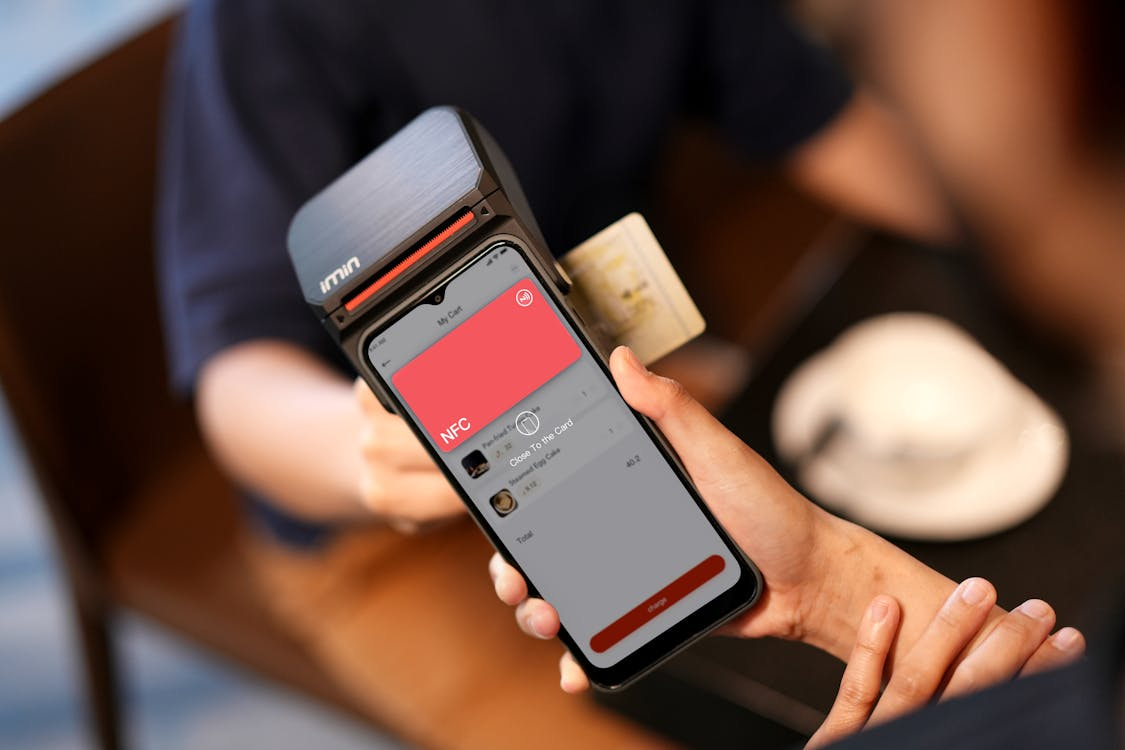
Sending a digital invoice may be quite helpful, but offering online payment options makes an even bigger difference. Most homeowners now prefer convenient payment methods and expect to pay by credit card, digital wallet, or bank transfer.
Research from the Federal Reserve Bank of Atlanta shows electronic payments continue to grow worldwide as consumers shift away from checks and cash. This trend affects home service industries as well.
When your invoice includes a payment link, customers can pay instantly. This removes the delay that happens when someone writes a check later.
Faster payments improve your cash flow. They also reduce the time spent chasing overdue invoices.
Some contractors even notice fewer unpaid jobs because customers settle the bill while the service visit is still fresh in their mind.
5. Automate Reminders, Receipts, and Secure Record Keeping
A paperless system also automates follow-up tasks, like more accurate payment reminders, digital receipts, and organized storage. It’s most effective in keeping your billing system running smoothly.
For example, you install automated reminders to notify customers when invoices approach their due date. It might be this gentle prompt that can solve late payment issues without the awkward phone calls you usually employ.
Digital receipts also build trust, so make sure your customers receive confirmation instantly to reduce confusion and help you maintain transparency. Security is another key factor. It’s where contractors store sensitive data such as addresses, phone numbers, and payment information.
Even the industry guidance from the National Institute of Standards and Technology recommends basic data protection steps such as encrypted storage, secure passwords, and regular software updates. Even small service businesses follow these practices.
Finally, organized digital records help during tax season. Instead of digging through boxes of paperwork, you can search and retrieve invoices within seconds.
Why Paperless Billing Matters for Service Businesses in 2026
Paperless billing is no longer just a convenience. It’s becoming the standard for modern home service operations.
You save time on paperwork, reduce billing mistakes, and improve customer experience. At the same time, faster invoicing and online payments help keep cash flowing through your business.
The transition does not need to happen overnight. Start with digital estimate templates, add e-signatures, then introduce mobile invoicing and automated reminders.
Each step removes friction from your billing process. Soon you’ll spend less time managing paperwork and more time doing the work that actually grows your business.