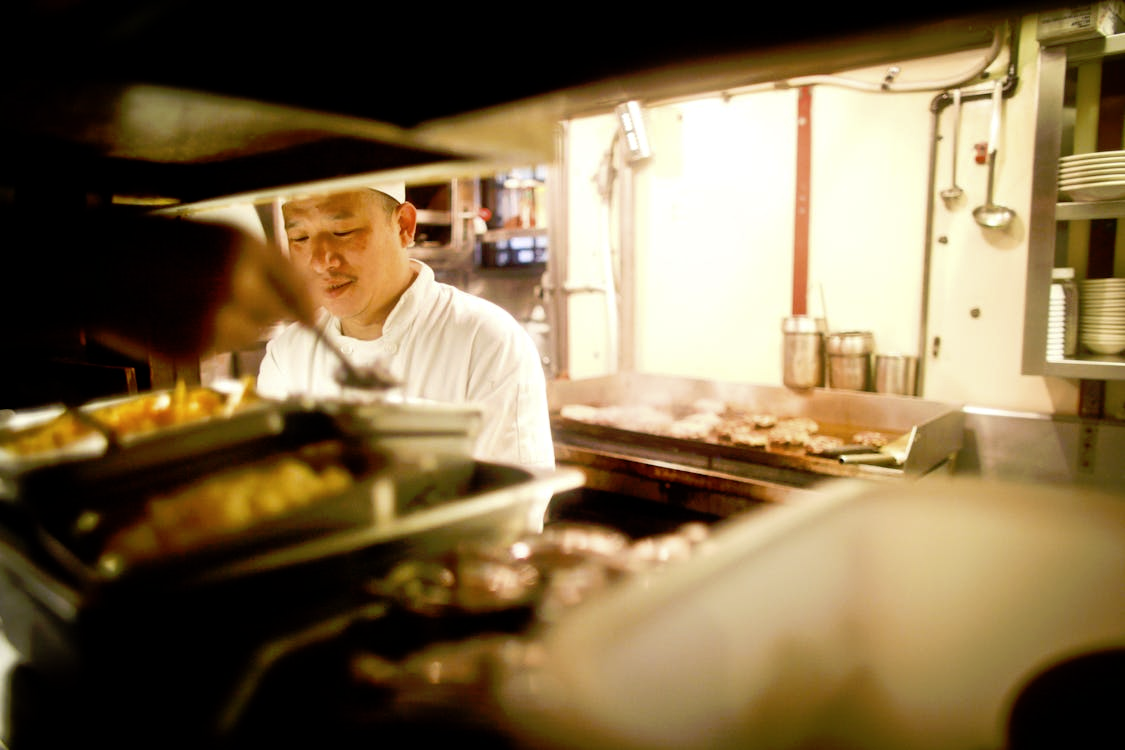
Keeping service fast during a rush is a constant balancing act. You want dishes out quickly, but you can’t afford to cut corners on consistency.
The good news is that small workflow tweaks and better prep habits can shave minutes off ticket times without making your team feel like they’re sprinting a marathon. Here are ten practical strategies that small and mid‑size operators can put to work right away.
1. Nail Your Mise en Place Every Shift
A tight mise en place is your first line of defense against slowdowns. When every station has ingredients portioned, labeled, and within arm’s reach, the whole kitchen moves faster. Many operators use a quick pre‑shift checklist to focus on items that tend to run out mid‑rush. It keeps surprises to a minimum and helps cooks make smoother transitions between orders.
2. Use Batch Windows to Stay Ahead
Instead of cooking on demand, create small-batch windows for items that hold well. This technique helps your team avoid bottlenecks when you’re staring down a line of identical tickets. Focus on foods like grains, sauces, roasted vegetables, and proteins that maintain texture for short holds.
● Choose 3 to 5 high volume items
● Set tight discard times
● Rotate fresh batches steadily
3. Build a Better Hot Pass
A clean, well lit hot pass acts as the handshake between the back and front of house. Adding clear labels, a small staging zone, and heat stable surfaces helps runners grab plates quickly. If you already use heat lamps or warming drawers, keep them calibrated so dishes stay at peak quality during handoff.
4. Invest in Reliable Holding and Warming Gear
This is where equipment choices really matter. Smart holding cabinets, heat lamps, and warming drawers let your team prep a few steps ahead without sacrificing temperature or texture. These tools help maintain consistency on your busiest nights.
Operators often discover that even small upgrades make a big difference. For instance, the range of Restaurant Supply food warming equipment can help with maintaining temperature stability so plates stay ready to run when the line is backed up. It’s all about picking the most appropriate hardware to compliment your service goals.
5. Give Your Expo a Simple Checklist
Expo is the traffic controller of your operation. A quick visual checklist helps them catch common slowdowns before they hit service speed. This might include checking plate garnishes, confirming seat numbers, or verifying modifiers.
It keeps the pass orderly during peak times and reduces the risk of remakes. Combined with tricks from top chefs to achieve overall dish excellence, this efficiency always pays off.
6. Make Pickup and Delivery More Efficient
If you rely on takeout or delivery, set up a dedicated shelf near the door and separate it from dine in flow. Pre bagged orders with names facing outward reduce congestion. In many modern kitchens, streamlined tech setups show how modular, well planned spaces speed up order handoffs.
7. Edit the Menu for Faster Holds
Some dishes just aren’t built for the Friday night rush. Look for menu items that require long finishing times or don’t hold temperature well. A small seasonal edit or a simplified prep method can smooth out your line more than you’d expect. Many operators use quick temperature logs to track where delays consistently appear.
8. Streamline Communication Between Stations
Clear communication keeps the kitchen moving even when the board is stacked with tickets. A quick verbal call, a shared digital display, or digital workflow insights can help cooks anticipate what’s coming next.
When everyone sees the same information at the same time, stations sync up and fewer dishes get held waiting on one component. Small clarifications early in the process prevent long delays later.
9. Create Micro Prep Zones for High‑Demand Items
Some foods become logjams simply because several stations need the same ingredient. Setting up micro prep zones for your highest demand components can cut down cross‑kitchen travel. This might be a small container of garnishes, a backup sauce bottle, or a dedicated cutting board for quick trims. By reducing how often cooks need to leave their station, you keep the line tight and traffic free.
10. Use Quick Quality Controls During the Rush
Speed is important, but consistency keeps guests happy. Build tiny quality checks directly into the workflow so they don’t slow anything down. A quick look at color, texture, or plating alignment takes only seconds and prevents costly remakes.
Some teams designate a rotating “spot checker” during peak times to give dishes a final glance without holding up the expo lane. This habit keeps standards high even when things get hectic.
What Matters Most
Speed doesn’t have to mean sacrificing care. With the right prep rhythms, a clear expo lane, and a few well chosen tools, your team can glide through peak service with confidence. If you want more ideas like these, consider browsing more of our restaurant operations blogs that break down workflow tips in simple, practical ways.