
You’re seeking gluten-free malt alternatives that truly deliver on nutrition and taste. Top contenders like sprouted ragi malt offer iron, calcium, and fiber without artificial additives, while organic date syrups provide natural sweetness and versatility. You’ll want products that mix easily into beverages, smoothies, and baked goods while maintaining freshness in convenient packaging. Consider allergen transparency, glycemic impact, and protein content for your specific needs. The right choice depends on balancing these factors with your lifestyle—and there’s considerably more to unveil about what makes each option stand out.
| Danodia Sprouted Ragi Malt Vanilla Flavor 400g |
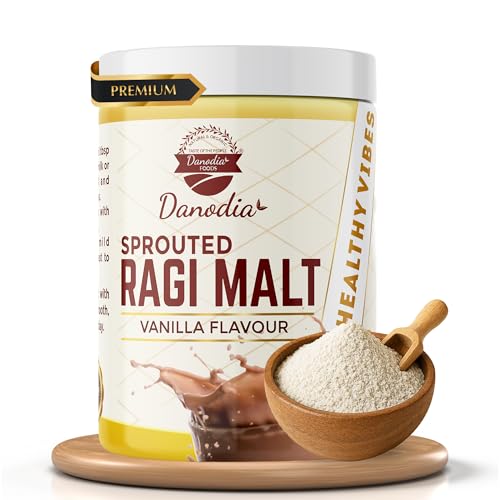
| Traditional Sprouted Choice | Primary Ingredient: Sprouted ragi (finger millet) | Sweetening Agent: Jaggery powder | Flavor Profile: Vanilla with warm, nutty notes | VIEW LATEST PRICE | Read Our Analysis |
| Dvash Organic Date Syrup 2 Pack Squeeze Bottle |
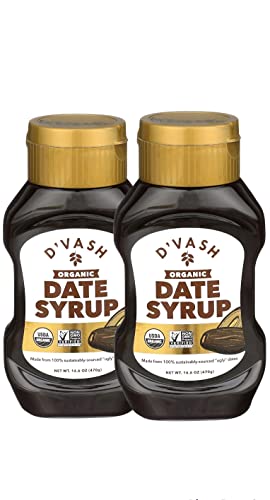
| Natural Sweetener Alternative | Primary Ingredient: Dates | Sweetening Agent: Natural date-based sweetness | Flavor Profile: Rich caramel-like flavor | VIEW LATEST PRICE | Read Our Analysis |
More Details on Our Top Picks
Danodia Sprouted Ragi Malt Vanilla Flavor 400g
If you’re seeking a naturally gluten-free malt that doesn’t compromise on nutrition or taste, Danodia’s Sprouted Ragi Malt is your answer. This 400g vanilla-flavored blend combines sprouted finger millet with jaggery, milk powder, and nuts for a warm, nutty beverage. You’ll mix three tablespoons with hot water or milk in seconds, creating a satisfying drink that works equally well cold. The balanced vanilla complements both dairy and non-dairy bases, making it versatile for smoothies, pancakes, and oats. With no artificial additives and tree nut inclusions, you get wholesome nutrition in every serving.
- Primary Ingredient:Sprouted ragi (finger millet)
- Sweetening Agent:Jaggery powder
- Flavor Profile:Vanilla with warm, nutty notes
- Packaging Format:Resealable can (400g)
- Allergen Information:Contains milk, cashew, almonds
- Primary Use Case:Beverage base (mixed with water or milk)
- Additional Feature:Sprouted and roasted grain base
- Additional Feature:Naturally gluten-free and Non-GMO
- Additional Feature:Resealable can protects aroma
Dvash Organic Date Syrup 2 Pack Squeeze Bottle
For those seeking a natural, nutrient-dense sweetener that won’t spike your blood sugar, Dvash Organic Date Syrup delivers what you’re looking for. This 2-pack of 16.6-ounce squeeze bottles offers a rich, caramel-like flavor that enhances baking, glazes, marinades, and dressings. You’ll appreciate the high antioxidant content and mineral profile—potassium, magnesium, and iron—that sets it apart from refined alternatives. Non-GMO and vegan, it contains no artificial additives. The squeeze bottle design guarantees convenient application, while its indefinite shelf life means you’re investing in long-term pantry staples. Store it cool and dry, and you’ve got a versatile gluten-free sweetener that supports your health-conscious lifestyle.
- Primary Ingredient:Dates
- Sweetening Agent:Natural date-based sweetness
- Flavor Profile:Rich caramel-like flavor
- Packaging Format:Squeeze bottle (16.6 oz, 2-pack)
- Allergen Information:Vegan (no major allergens listed)
- Primary Use Case:Liquid sweetener (baking, toppings, glazes)
- Additional Feature:Indefinite shelf life
- Additional Feature:Lower glycemic index sweetener
- Additional Feature:Squeeze bottle dual-pack format
Factors to Consider When Choosing Gluten Free Malt Alternatives
When selecting a gluten-free malt alternative, you’ll want to evaluate its nutritional profile to guarantee you’re getting the vitamins and minerals you need. You should also examine ingredient transparency and potential allergens, then consider how well the product’s flavor works with your intended recipes and how easily you can prepare it. Finally, you’ll need to assess the storage requirements and shelf life to determine whether the product fits your lifestyle and pantry space.
Nutritional Profile Assessment
How do you know which gluten-free malt alternative will best enhance your dietary needs? You’ll want to evaluate several key nutritional factors. Start by examining whole grain content—sprouted ragi malt, for instance, delivers iron, calcium, and fiber. Check the natural sweetener levels, as added sugars can inflate calories and diminish nutritional quality. Look for nutrient-dense ingredients rich in potassium, magnesium, and antioxidants. Compare protein and fat content; options containing nuts or seeds elevate satiety and muscle health. Finally, assess the glycemic index. Lower glycemic alternatives help maintain stable blood sugar levels, supporting your overall health and dietary management. By systematically reviewing these factors, you’ll confidently select a malt alternative that truly aligns with your nutritional goals.
Allergen And Ingredient Transparency
Beyond nutritional metrics, you’ll need to scrutinize what’s actually in your malt alternative and how it’s made. Examine ingredient lists carefully for potential allergens like nuts or dairy that could trigger sensitivities. Demand transparency about sourcing—verify that products are non-GMO and free from artificial additives.
Cross-contamination risks during production matter greatly for gluten-sensitive consumers, so investigate manufacturing environments thoroughly. Check labels for clear allergen warnings and detailed nutritional breakdowns. Identify sweeteners like jaggery or syrups, which can compromise nutritional value if present in excessive amounts.
You’re not just buying a product; you’re making a health-conscious investment. Take time to decode packaging claims and contact manufacturers directly if information seems unclear. This diligence guarantees you’re selecting truly safe, quality malt alternatives.
Flavor Compatibility And Versatility
Once you’ve verified safety and nutritional value, flavor compatibility becomes your next consideration—it’ll determine whether you’ll actually enjoy using your gluten-free malt alternative across different foods and drinks. Vanilla-flavored options enhance beverages and baked goods without overwhelming them, while caramel-like finishes work well in both savory and sweet applications. You’ll find that complementary flavors like cinnamon, cardamom, and chocolate boost your dishes across diverse recipes. Versatility matters too; your choice should blend seamlessly into smoothies, pancakes, and porridge without compromising taste or texture. Pairing gluten-free malts with dairy or non-dairy bases broadens usability further, accommodating various dietary preferences while creating richer, more satisfying meals and beverages.
Preparation Ease And Convenience
After finding a flavor profile that suits your tastes, you’ll want to guarantee your chosen malt alternative won’t demand excessive effort during daily use. Look for products that mix easily with hot or cold liquids without extensive whisking or blending, saving you precious time during busy mornings. You’ll appreciate options that integrate seamlessly into beverages, smoothies, and baked goods, maximizing their usefulness across your kitchen. Select malt alternatives packaged in resealable containers to maintain freshness and simplify storage. Clear preparation instructions eliminate guesswork and frustration, ensuring a smooth experience every time you prepare your drink. By prioritizing convenience factors alongside taste, you’ll select a malt alternative that truly fits your lifestyle without becoming a chore.
Storage And Shelf Life
Just as preparation ease matters for daily use, you’ll want to contemplate how well your chosen malt alternative maintains quality over time. Storage conditions directly impact freshness and usability. You should keep gluten-free malt products in cool, dry places to prevent spoilage and preserve their integrity.
Resealable packaging protects aroma and quality throughout the product’s lifespan. When handling these alternatives, you’ll need to use dry scoops exclusively—moisture absorption causes clumping and degradation. Products without preservatives typically have shorter shelf lives than those with stabilizers, so you’ll need to monitor expiration dates accordingly.
For products like date syrup, tightly sealed caps extend shelf life and prevent crystallization. If crystallization occurs, you can restore usability through gentle warming.
Price Value Comparison
Beyond storage considerations, the financial investment you’re making in gluten-free malt alternatives deserves careful attention. You’ll want to calculate the price per ounce or gram to identify which products offer genuine cost-effectiveness for your budget.
Examine ingredient quality closely, as natural sweeteners and additives directly impact pricing. Don’t overlook serving size variations—products require different usage amounts, affecting your actual cost per serving.
Packaging type matters greatly. You’re better served choosing resealable options that maintain freshness longer, rather than single-use packaging that drains your wallet faster. Finally, investigate bulk purchase discounts and seasonal sales, which can considerably reduce your per-unit costs.